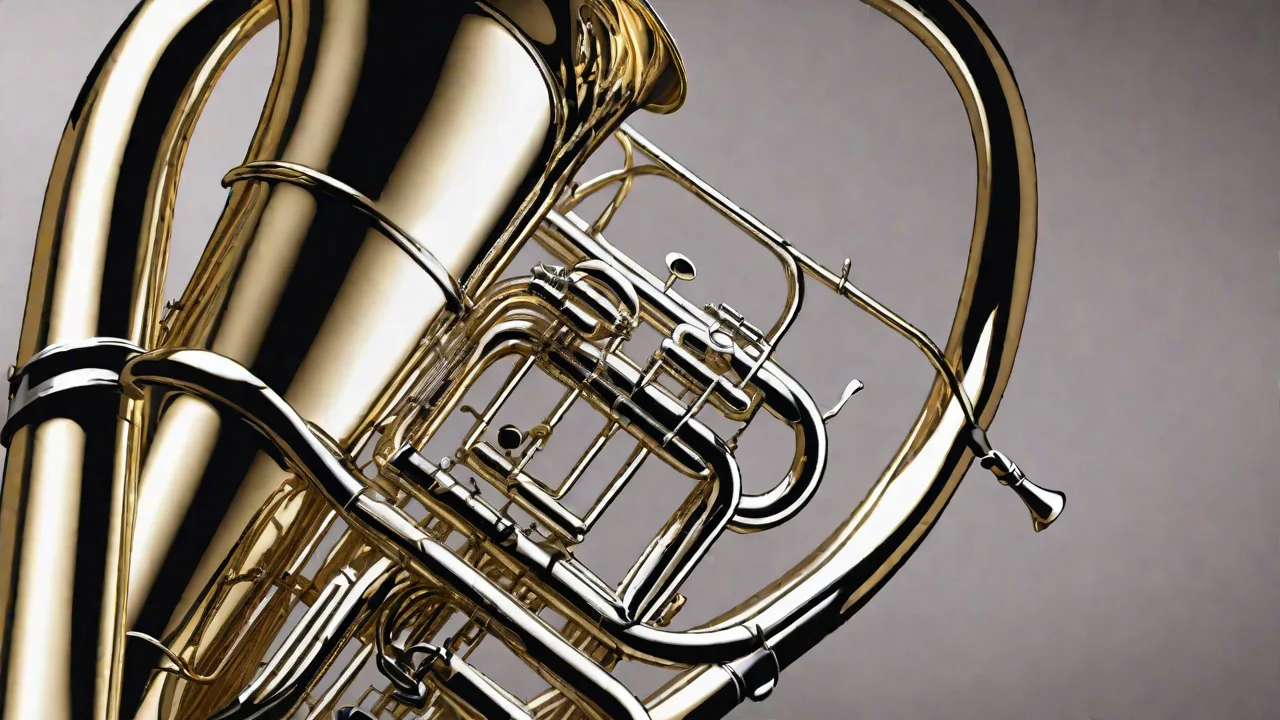
Tips for Performing in Tuba Solo Pieces
Performing a tuba solo is a unique and rewarding experience that allows you to showcase the instrument’s rich, deep tones and your personal musicality. Whether you are preparing for a recital, competition, or audition, mastering the art of solo performance requires more than just technical proficiency. It involves musical expression, stage presence, and an understanding of the piece’s style and character. The tuba’s role as both a bass foundation and a solo voice demands careful attention to breath control, tone color, and phrasing. By developing a structured approach to preparation, you can turn a series of notes into a compelling musical statement that resonates with your audience.
Understanding Your Solo Piece
Before diving into technical practice, take the time to thoroughly understand your solo piece. Research its background, composer, and historical context to gain insight into its emotional and stylistic nuances. Many tuba solos come from composers who wrote for the instrument specifically, such as Ralph Vaughan Williams, John Williams, or contemporary composers like James Grant. Understanding why the piece was written and what the composer intended helps you make informed interpretive choices. For example, a piece composed for a concerto competition may require a more virtuosic approach, while a lyrical work from the Romantic era might need a singing tone and flexible phrasing.
Listen to multiple recordings by different artists to get a sense of interpretation possibilities. Tubists like Roger Bobo, Øystein Baadsvik, and Carol Jantsch have recorded many standard solos and offer diverse approaches to tempo, dynamics, and articulation. Pay special attention to the dynamics, phrasing, and articulation marks in the score. These elements are crucial for conveying the musical story and engaging your audience. Highlight challenging sections that may require extra practice or alternate fingerings. Use a pencil to mark breath points, dynamic changes, and any fingering alternatives that improve fluency. Also, analyze the harmonic structure and phrasing landmarks. Understanding where the climax falls or where the tension releases allows you to shape the piece more dramatically.
Technical Preparation
Technical mastery is foundational for a successful tuba solo performance. The tuba presents unique physical demands due to its large mouthpiece and high air volume requirements. Here are key aspects to focus on, with detailed approaches for each.
Breath Control
The tuba requires substantial airflow. Practice breathing exercises to increase lung capacity and control your air support for sustained, even tones. Diaphragmatic breathing—expanding the lower ribcage and abdomen—is essential. Try exercises such as inhaling for four counts, holding for four, and exhaling for eight, gradually extending the exhale to sixteen or more. Another effective drill is to play a long tone at a comfortable dynamic and gradually crescendo and decrescendo while keeping pitch steady. This develops both breath stamina and control over dynamic shading.
Embouchure Strength
Maintain a healthy and flexible embouchure to tackle demanding passages and maintain intonation. Daily lip slurs, buzzing on the mouthpiece alone, and gentle buzz patterns (like sirens) help condition the facial muscles. Avoid over-practicing in high registers without adequate rest, as fatigue can lead to bad habits. A balanced approach that includes low, middle, and high range exercises will keep your embouchure resilient.
Finger Technique
Work on smooth valve transitions and finger dexterity, especially for fast or intricate runs. Use a metronome to practice scales and arpeggios in the key of your solo piece at gradually increasing tempos. Focus on lightness of touch and evenness of articulation. For rotary valve tubas, ensure that valve action is quick and clean; for piston valves, check alignment and oil regularly. Practicing tricky passages in dotted rhythms can improve finger coordination and evenness.
Intonation
Use a tuner regularly and practice long tones, focusing on pitch accuracy. The tuba is prone to pitch tendencies, especially in extreme registers and with different valve combinations. Learn the tuning tendencies of your instrument and adjust with alternate fingerings or slight lip adjustments. Play with a drone note to develop aural awareness of pitch centers. Regularly check intervals within the solo piece, especially large leaps, to ensure they are in tune.
Range Development
Gradually extend your upper and lower range with daily exercises. For the upper register, use soft attacks and relaxed breath support to avoid pinching. For the lower register, focus on maximum air volume and slow, steady airflow. Chromatic exercises spanning the full range of the piece help smooth out register shifts. Include octave slurs (e.g., low F to middle F) to build flexibility without strain.
Incorporating a metronome during practice can help you develop precise rhythm and tempo stability, which are essential for solo performances. However, also practice without it to internalize the pulse and allow for expressive rubato where appropriate.
Breath Support and Tone Production
Breath support is the engine of good tuba playing. Without consistent, controlled airflow, tone quality suffers. Practice sustained notes at various dynamics, and experiment with different vowel shapes in your oral cavity to alter timbre. For a darker, more covered sound, keep the throat open and shape a “oh” or “aw” sound. For a brighter, more focused tone, use an “ee” shape but maintain openness. These adjustments can add color and character to your solo performance.
Long tone exercises should include crescendo and decrescendo over a steady pitch. Aim for a smooth, even crescendo without wavering in pitch or tone. Record yourself and listen critically for unwanted fluctuations. Also practice self-correction: if you hear a pitch dip, adjust breath support immediately. This builds real-time control during performance.
Mastering Intonation in Different Registers
The tuba’s intonation varies significantly across registers. In the low register, notes tend to be sharp or flat depending on the overtone series of the instrument. In the high register, sharpness is common. Practice tuning thirds, fifths, and octaves within your solo piece using a tuner. Learn the standard alternate fingerings that improve intonation—for example, using the first valve slide or fourth valve compensator. Create a personalized fingering chart for difficult passages and commit it to muscle memory.
Use a drone note that matches the key of the piece while playing practice runs. This trains your ear to hear pitch within the harmonic context. During lessons or masterclasses, ask your teacher to help you identify trouble spots and suggest corrections. Good intonation is not only a technical skill but also an expressive tool—accurate pitches allow the music’s harmony to shine.
Musical Expression and Interpretation
A technically flawless performance can still feel lifeless without expressive depth. Here are tips to bring your solo to life.
Dynamic Contrast
Use volume variation to highlight phrases and create emotional impact. Plan a dynamic roadmap for each section of the piece. Where does the climax lie? Where are the quiet, introspective moments? Mark these in the score and practice exaggerating the contrasts. The tuba can produce a remarkably wide dynamic range—from a whisper-soft pianissimo to a commanding fortissimo. Exploit this range to keep the audience’s attention.
Rubato and Tempo Changes
When appropriate, subtle tempo fluctuations add expressiveness but be careful not to disrupt the overall flow. Rubato works best in lyrical sections where the pulse can be stretched and compressed. For example, in a melodic line, you might linger on an expressive note and then gently push forward to the next phrase. Practice rubato with a metronome to ensure you return to the original tempo on beat, and avoid making it sound like a mistake.
Vibrato
Controlled vibrato can enhance sustained notes and add warmth to your tone. Tuba vibrato is typically produced by pulsing the diaphragm or using slight jaw movement. Practice vibrato on long tones at different speeds and widths. Match the vibrato to the style of the piece—narrow and fast for Baroque or Classical, wider and slower for Romantic or modern works. Use vibrato sparingly to maintain its effect; every note should not have it.
Character and Style
Adapt your playing style to the genre of the piece, whether classical, jazz, or contemporary. For classical solos, focus on clean articulation, even tone, and adherence to the written dynamics. For jazz-influenced pieces, experiment with more flexible rhythm, glissandos, and a brighter, more conversational tone. Listen to recordings of respected tuba soloists in the genre you are performing. Study how they shape phrases, where they take breaths, and how they use silence.
Experiment with different interpretations during rehearsals and seek feedback from teachers or peers to refine your approach. Record your practice sessions and evaluate your own expressive choices. Ask yourself: Does the phrasing tell a story? Are the dynamics exaggerated enough? Does the character match the composer’s intent?
Stage Presence and Performance Tips
Performing solo also involves managing nerves and engaging your audience visually and emotionally. Consider these strategies.
Practice Performing
Simulate performance conditions by playing in front of friends or recording yourself to build confidence. This helps you get used to the pressure of having an audience. Set up your performance space as close to the real venue as possible—stand with your music stand at the correct height, walk on and off stage, and bow. The more you simulate, the less foreign the real performance feels.
Body Language
Maintain good posture and use natural gestures to communicate the music’s mood. Good posture—sitting tall with shoulders relaxed—supports airflow and projects confidence. Allow your body to move with the music, but avoid excessive swaying that can become distracting. Gestures like lifting your head during a crescendo or leaning into a quiet passage can visually reinforce the music’s narrative.
Eye Contact
While direct eye contact with the audience is limited when playing, occasional glances can create connection and show confidence. Look up during rests, after a successful phrase, or at the end of a movement. During the bow, make eye contact with the audience. This small act humanizes the performance and reduces the barrier between performer and listener.
Dress Appropriately
Choose attire that is comfortable and suits the event’s formality. For formal recitals, wear concert black or appropriate semiformal wear. For casual performances, clean, neat clothing still shows respect for the audience. Ensure your clothing does not restrict your breathing or arm movement. Pockets should not jingle when you move.
Warm Up Thoroughly
Before going on stage, warm up your instrument and body to ensure readiness. Start with gentle mouthpiece buzzing and long tones. Then play a few scales or passages from the solo piece. Avoid over-practicing right before the performance; the goal is to wake up the muscles, not fatigue them. Use light, easy exercises about 30 minutes before you go on stage.
Manage Performance Anxiety
Use breathing techniques and positive visualization to stay calm. Deep, slow breaths lower your heart rate and reduce physical tension. Visualization involves mentally rehearsing the performance—picture yourself walking on stage, playing confidently, and receiving applause. If you feel nervous during the piece, focus on the next note rather than the entire performance. Accept that some adrenaline is normal; reframe it as excitement rather than fear. Practice deep breathing exercises for one to two minutes before you begin playing.
Building a Practice Routine for Tuba Solos
Developing an effective practice routine tailored to your solo piece will maximize your progress. Here’s a suggested structure that combines efficiency with depth.
- Warm-Up (10-15 minutes): Start with long tones, lip slurs, and scales to prepare your embouchure and breath. Focus on even dynamic and consistent tone. Include mouthpiece buzzing to connect air and lips before touching the mouthpiece.
- Slow Practice (15-20 minutes): Work on difficult sections slowly, focusing on accuracy and tone quality. Use a metronome set to a manageable tempo—often half the performance tempo. Pay attention to fingerings, articulation, and intonation. Correct errors before speeding up.
- Sectional Repetition (20-30 minutes): Break the piece into small sections (4-8 bars) and repeat each until confident. Aim for three clean repetitions in a row before moving on. This builds consistency.
- Contextual Practice (10 minutes): Practice sections within their musical context to maintain phrasing and flow. Connect a difficult passage to the bars before and after it to ensure smooth transitions.
- Tempo Building (10-15 minutes): Gradually increase the tempo while maintaining control. Use a metronome and increase by 2-5 beats per minute each repetition. Stop if you lose control and drop back down.
- Expressive Practice (10 minutes): Incorporate dynamics, articulation, and phrasing as you get comfortable. Play through the entire piece from start to finish, focusing solely on musical expression without stopping for mistakes. Record this run to review later.
- Mock Performances (10 minutes): Perform the entire piece without stopping to build stamina and stage readiness. Set up as if for an audience, stand or sit as you will in the performance, and play through without correcting errors. This trains your mental focus and endurance.
Consistency is key. Aim for daily focused practice of 60-90 minutes rather than occasional marathon sessions. Vary the routine to keep it engaging—some days emphasize technical drills, others focus on interpretation and phrasing. Use a practice log to track progress and identify areas needing more work.
Additional Resources
To further enhance your solo performance skills, consider these resources:
- Private lessons with experienced tuba instructors specializing in solo repertoire. Many universities offer lesson studios, or you can seek online lessons via video chat platforms.
- Masterclasses and workshops featuring solo tuba performances. Check events hosted by organizations like the International Tuba Euphonium Association (ITEA), which holds annual conferences and regional workshops.
- Books on brass pedagogy, such as The Art of Tuba and Euphonium Playing by Harvey G. Phillips and William J. Bell, or Breath Control in Brass Playing by Donald S. Reinhardt.
- Online communities and forums where tubists share tips and feedback. The Tuba-Euphonium Forum on TubaChristmas and Facebook groups like “Tuba Players” are good starting points.
- Listening to recordings of renowned tuba soloists for inspiration. Explore albums by Øystein Baadsvik, Carol Jantsch, and Roger Bobo. Also seek out recordings of standard solo pieces like Vaughan Williams’ Tuba Concerto or Grant’s Four Corners.
- Online resources for breathing exercises: Breath Play offers a series of exercises specifically designed for wind players.
By combining thorough preparation, technical skill, musical expression, and confident stage presence, you can deliver memorable and impactful tuba solo performances that resonate with your audience. The journey from practice room to stage is as much about mindset as it is about muscle memory—embrace the process, trust your preparation, and let the tuba’s unique voice carry your musical message.