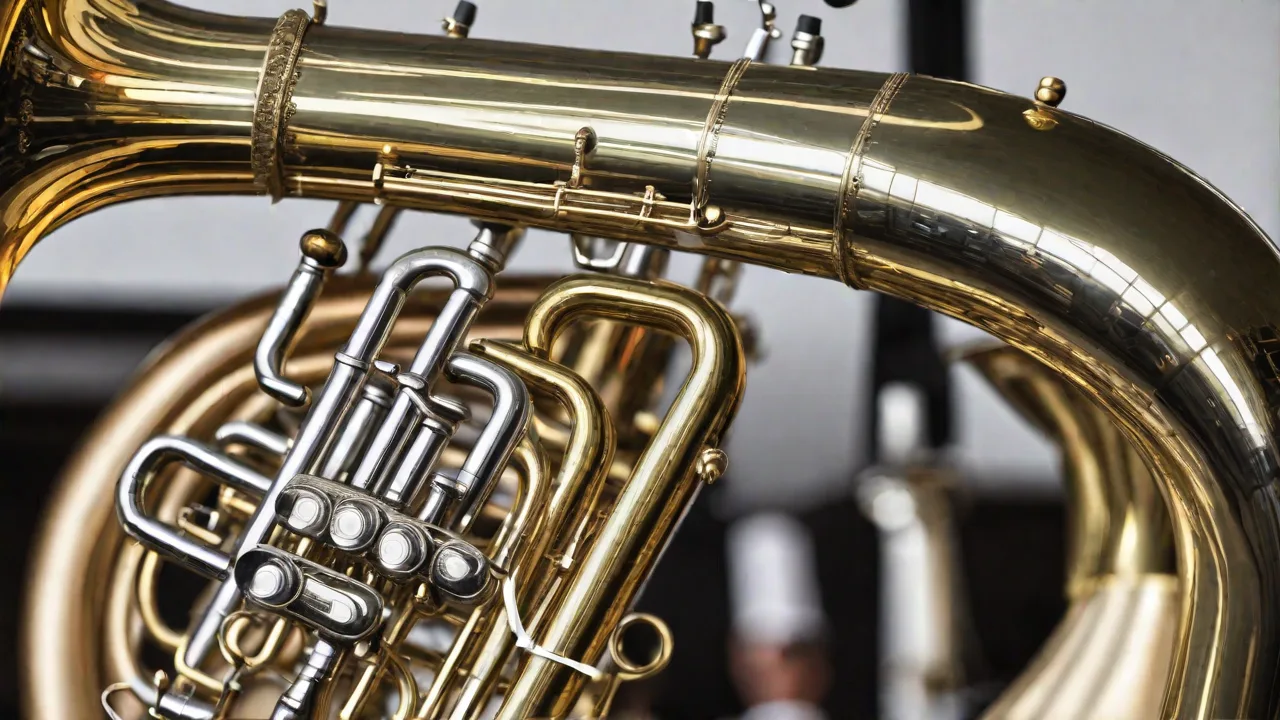
The Benefits of Digital Tuba Practice Tools and Apps
The Evolving Role of Technology in Brass Education
Music education has undergone a profound transformation over the past decade, driven by the rapid advancement of mobile technology, machine learning, and digital audio processing. For players of large brass instruments such as the tuba and sousaphone, these changes have opened up new possibilities that were unimaginable even a generation ago. Where once a student relied solely on a teacher's ear and a paper metronome, today's tubist can access pitch-perfect tuners, rhythm-correcting metronomes, and even AI-powered feedback systems from a single smartphone app. These tools do not replace the value of a skilled instructor or the discipline of daily practice, but they do amplify the effectiveness of both, giving players more control over their development and more insight into their strengths and weaknesses.
For tuba and sousaphone players specifically, digital tools address some of the most persistent challenges faced by low brass musicians. The tuba's large bore and deep fundamental pitch make intonation particularly sensitive, while the instrument's weight and size can limit practice portability. Sousaphone players face similar issues, with the added complexity of marching band contexts where tonality and projection must be balanced with mobility. Digital apps and software can help manage these unique demands by providing portable, always-available assistance that fits into a busy schedule. Whether you are a high school student preparing for district auditions, a college music major working on orchestral excerpts, or an adult hobbyist revisiting the instrument after years away, integrating digital tools into your routine can accelerate progress and deepen your musical understanding.
Core Benefits of Digital Tools for Low Brass Players
Digital practice tools offer a range of advantages that directly address the needs of tuba and sousaphone players. The key benefits extend beyond simple convenience and touch on fundamental areas of musicianship, technique, and motivation.
Real-Time Feedback on Pitch, Rhythm, and Articulation
One of the most powerful features of modern practice apps is the ability to listen to your playing and provide instant, objective feedback. Pitch detection algorithms can tell you not only whether you are sharp or flat but by how many cents, allowing you to adjust your embouchure and air support immediately. Rhythm analysis tools can highlight where you rush or drag, helping you develop a more steady sense of time. Some advanced apps even evaluate articulation quality, noting whether attacks are clean or breathy. This real-time feedback loop shortens the time it takes to correct errors and builds a more accurate internal ear. According to research on technology-assisted music learning, immediate feedback is one of the strongest predictors of skill acquisition in instrumental practice.
Structured Learning Paths and Skill Targeting
Effective practice is not just about logging hours but about focused work on specific skills. Digital tools help structure practice sessions by offering guided exercises that target articulation flexibility, range development, breath control, and dynamic contrast. Many apps allow you to set a custom practice plan that adapts to your current level, gradually increasing difficulty as you improve. This structured approach ensures that you are not wasting time on exercises that are too easy or becoming frustrated with material that is too advanced. For tuba players, this can mean working systematically through valve combinations, lip slurs in different keys, or tonguing speed drills, all with the app providing clear metrics on your progress.
Motivation Through Gamification and Progress Tracking
Practicing an instrument is inherently solitary, and it can be difficult to maintain motivation over long periods. Digital tools address this by incorporating gamified elements such as streaks, badges, level-ups, and competitive challenges with other users. Seeing a visual graph of your improving pitch accuracy over a week, or earning a "perfect rhythm" badge on a difficult exercise, provides a sense of accomplishment that can keep you coming back to the instrument. Progress tracking also helps you see the long-term arc of your development, which is especially valuable when plateaus occur. Knowing that your daily effort is accumulating into measurable improvement can be a powerful antidote to frustration.
Portability and Accessibility Anywhere
Tubas and sousaphones are large, heavy instruments that require a dedicated practice space. Carrying one to a practice room, let alone to a friend's house or a band camp, is a logistical challenge. Practice apps, by contrast, fit in your pocket. While you still need the instrument itself to practice, the software tools that guide and evaluate that practice can be used anywhere. You can review a tricky rhythm from an app on the bus, warm up with a tuner app in a hallway before rehearsal, or record a practice segment on your phone in a quiet corner of your home. This accessibility means that the time you do spend with your instrument can be used more productively, because the planning, analysis, and reinforcement happen around the edges of your day.
Customization to Individual Goals and Learning Styles
No two players learn exactly the same way, and digital tools allow for a high degree of personalization. You can adjust the tempo of exercises, choose specific keys or ranges to work on, set your own target pitch tolerances, and select the types of feedback that are most useful to you. Visual learners can benefit from waveform displays and pitch graphs, while auditory learners can focus on playback and comparison features. This flexibility means that whether you are preparing for a specific performance, working on a technical weakness, or simply exploring new musical ideas, you can configure your practice environment to match your needs.
Top Digital Tools for Tuba and Sousaphone Players
The marketplace for music practice apps and software is crowded, but certain tools stand out as particularly useful for low brass players. Below is a curated list of categories and recommended options that address the specific demands of tuba and sousaphone practice.
Tuning and Intonation Apps
Accurate intonation is a defining challenge for tuba players due to the instrument's long wavelength and the natural tendency of certain notes to be sharp or flat. Dedicated tuner apps provide far more precision than a clip-on tuner, often displaying pitch in real time with a cents readout and a visual target. Pano Tuner is a reliable choice that offers a clean interface, straightforward pitch detection, and the ability to set custom reference frequencies. ClearTune is another strong option, known for its high accuracy and customizable temperaments, which can be useful for players who perform with fixed-pitch instruments or in historically informed ensembles. Using a tuner app during long tones, scales, and slow passages builds a more reliable sense of pitch and helps train your ear to correct microtonal discrepancies automatically over time.
Metronome and Rhythm Training Apps
Rhythm is the backbone of ensemble playing, and tuba sections are often the rhythmic foundation of a band or orchestra. A standard metronome is useful, but modern metronome apps offer advanced features such as accent patterns, polyrhythms, and visual flash indicators. Pro Metronome is a popular choice that supports complex time signatures, tap tempo, and programmatic tempo changes for etudes and exercises. For rhythm-specific training, apps like Rhythm Trainer can help you practice clapping or tapping subdivisions before applying them to the instrument. Working with these tools away from the horn can improve your internal pulse, making your playing more consistent and reliable in rehearsal and performance.
Breath Control and Air Support Apps
For low brass players, breath control is not an abstract concept but a daily practical concern. The tuba requires a large, steady column of air, and many players struggle with maintaining consistent support through long phrases or dynamic shifts. Breath training apps, originally developed for singers and wind musicians, can help you build lung capacity and control. Breathe+ offers guided breathing exercises with visual feedback on inhalation and exhalation duration, helping you develop a more efficient breathing cycle. Using such an app for a few minutes before each practice session can improve your stamina, tone quality, and dynamic range. Some players find that combining breath exercises with a recording app to monitor the resulting sound quality creates a powerful feedback loop for developing a richer, more focused tone.
Play-Along and Accompaniment Platforms
Playing alone in a practice room is very different from playing in an ensemble. Play-along platforms bridge this gap by providing accompaniment tracks that simulate the context of a band or orchestra. SmartMusic is a comprehensive platform that offers a library of method book accompaniments, solo literature, and ensemble parts with interactive sheet music that scrolls as you play. The software listens to your performance and provides feedback on pitch and rhythm, making it a powerful tool for preparing specific repertoire. Tonara is another option that focuses on motivating students through practice tracking and rewards, while offering a library of accompaniments. These platforms help you develop the listening skills needed to play in tune and in time with others, even when you are practicing alone.
Recording and Self-Assessment Apps
The ability to record yourself and critically listen to your own playing is one of the most effective practice techniques available. Recording apps such as GarageBand, Voice Memos, or Easy Voice Recorder allow you to capture your practice sessions and review them with a more objective ear. Listening back can reveal habits that are not apparent while you are playing such as inconsistent articulation, pitch sag at the ends of phrases, or rhythmic unevenness. More advanced players can use recording apps to analyze their sound quality, compare performances over time, and experiment with different approaches to phrasing and dynamics. Pairing recordings with a tuner app provides a comprehensive picture of your strengths and areas for growth.
Building an Effective Practice Routine with Digital Tools
Having access to powerful tools is only half the battle. To realize the full benefit of digital practice aids, you must integrate them into a structured, consistent routine that prioritizes the fundamentals of brass playing while leveraging the unique capabilities of technology.
Set Clear, Measurable Goals for Each Session
Before you open an app or pick up your instrument, decide what you want to accomplish in that practice block. Goals should be specific and measurable so that you can use the tools to assess whether you have achieved them. For example, instead of "play better," aim for "play the major scale in B-flat at quarter note equals 80 with no pitch errors greater than five cents" or "perform the first sixteen measures of the etude with no rhythmic mistakes at 60 beats per minute." Writing down your goal and setting a timer for focused work on that objective can dramatically increase the efficiency of your practice. Many apps allow you to create custom exercises or save target settings, making it easy to return to the same goal in future sessions and track your improvement over time.
Blend Digital Exercises with Hands-On Playing
Digital tools are supplements, not substitutes, for actual time spent playing the instrument. It is easy to fall into the trap of spending more time fiddling with settings and analyzing data than making sound. A balanced practice session might begin with a five-minute breathing exercise using a breath app, followed by a ten-minute long-tone warm-up with a tuner app, then a focused technical exercise using a metronome and a play-along track, and finally a period of free playing or repertoire work without any digital feedback. The goal is to use digital tools to make your practice more effective during the time you are playing, not to replace playing with screen time.
Prioritize Consistency Over Intensity
Daily practice of even twenty minutes can produce better results than sporadic two-hour sessions. Digital tools support consistency through reminder notifications, streak tracking, and daily challenges that encourage you to show up every day. Many apps provide a summary of your weekly practice time and progress, which can be a concrete motivator to maintain a regular routine. For tuba players, who may face physical fatigue from the instrument's resistance, shorter, more frequent sessions are often more productive than long, exhausting practices. Use your apps to set a daily minimum practice goal and trust that steady, incremental effort will yield lasting improvement.
Use Feedback Objectively and Without Judgment
The data provided by practice apps can be confronting. Seeing a red indicator that you are fifteen cents sharp on a note, or a visual display showing that your rhythm is uneven, can trigger frustration or defensiveness. It is important to use this feedback objectively, as information rather than judgment. The app is not telling you that you are a bad player; it is telling you that a specific note was sharp and giving you the precise information needed to correct it. Approach feedback with curiosity and a problem-solving mindset. Ask yourself: What caused this pitch tendency? Is my embouchure too tight? Is my air support inconsistent? The more you treat feedback as data to inform your practice choices, the more you can accelerate your improvement.
Advanced Strategies for Maximizing Digital Tool Benefits
Once you have built a consistent routine with core tools, you can explore more advanced techniques that deepen your engagement with digital practice aids and expand your capabilities as a musician.
Invest in Quality Audio Equipment
The accuracy of pitch detection and recording analysis depends heavily on the quality of the audio signal the app receives. Built-in smartphone microphones are adequate for basic feedback, but they can introduce distortion or miss subtle overtones that are important for precise intonation analysis. For home practice, consider using a dedicated USB microphone or an audio interface that captures a cleaner, more detailed signal. This investment can improve the reliability of tuner and feedback apps, especially in the low frequencies where the tuba operates. For recording and self-assessment, a good microphone can make the difference between a muddy recording that sounds nothing like what you hear while playing and a clear recording that accurately reflects your sound.
Engage with Community and Social Features
Many practice apps include community features such as forums, shared progress dashboards, or challenges where you can compete or collaborate with other users. For tuba and sousaphone players, who may not have many peers locally, these online communities can provide social support, performance opportunities, and advice. You can share recordings for feedback, ask questions about specific technical challenges, or participate in group challenges that push you to practice more consistently. The social dimension of practice can reduce the isolation of solo practice and provide accountability, as knowing that others are tracking their progress alongside you can encourage you to stay on track.
Experiment with Different Tools and Combinations
No single app does everything perfectly. You may find that one app excels at pitch detection but has a weak metronome, while another offers great rhythm exercises but lacks breath training features. Do not be afraid to use multiple tools in combination, creating a custom practice ecosystem that addresses all of your needs. For example, you could use a tuner app for long tones, a metronome app for rhythm drills, a breath app for warm-ups, and a recording app for periodic self-assessment. Experimenting with different combinations helps you discover which tools best match your learning style and which features you rely on most heavily. Rotating tools also keeps practice fresh and prevents boredom from setting in.
Use Visual Aids to Reinforce Ear Training
Visual learners can benefit significantly from apps that display sound waves, pitch graphs, or spectrum analyses. Seeing the shape of your sound can help you understand concepts such as tone quality, overtones, and blend that are difficult to describe in words. Some apps offer a real-time spectrogram that shows the harmonic content of your sound, allowing you to see whether you are producing a clean, focused tone or a diffused, breathy one. Practice matching the visual shape of a reference recording or a teacher's demonstration can be a powerful ear-training tool. Over time, the visual feedback becomes less necessary as your ear learns to recognize the qualities that the graphs represent.
Overcoming Common Challenges with Digital Practice Tools
While digital tools offer many benefits, they are not without potential pitfalls. Being aware of these challenges can help you avoid common mistakes and use the tools more effectively.
One common issue is over-reliance on visual feedback. Players who constantly watch a tuner display may learn to correct pitch only when they see a deviation, rather than developing the internal ear to hear the correction. To avoid this, use the tuner for periodic checks rather than continuous monitoring. Play a long tone, check the pitch, adjust, then move your eyes away from the screen and rely on your ears for the next note. Similarly, metronome apps can be used to check your internal pulse rather than being a crutch that you always follow. The goal is to internalize the skills that the apps teach, so that you can eventually play with good intonation and rhythm without any digital assistance.
Another challenge is the sheer number of available tools, which can lead to decision fatigue or constant switching between apps without deep engagement. It is better to choose a few core tools and master them than to download every new app that appears on the market. Give each tool a fair trial period of at least a week, using it in your daily practice to understand its strengths and limitations. Once you have established a reliable set of tools, resist the urge to constantly switch to something new unless you have a specific reason to do so.
Finally, be mindful of screen time and the potential for digital tools to distract from the primary activity of making music. It is easy to become absorbed in analyzing data, reading forums, or tweaking settings, and to lose sight of the musical goal. Set a timer for your practice session and include specific blocks of time for playing without any screens at all. The digital tools are there to serve your musicianship, not the other way around.
Looking Ahead: The Future of Digital Practice for Low Brass
The field of music education technology is evolving rapidly, and the tools available today will likely seem primitive in a few years. Emerging trends include artificial intelligence that can provide detailed, nuanced feedback on phrasing and musical expression, virtual reality environments that simulate ensemble playing in immersive settings, and adaptive learning systems that create a personalized curriculum based on your specific strengths and weaknesses. For tuba and sousaphone players, these advances promise to make practice even more efficient, engaging, and connected to the broader musical world.
As these technologies develop, the fundamental principles of effective practice will remain unchanged: consistency, focus, and a willingness to listen critically to yourself. Digital tools are not a shortcut to mastery but a powerful accelerator for the work you are already doing. By integrating them thoughtfully into your daily routine, you can make your practice time more productive, your progress more visible, and your enjoyment of the instrument deeper. The journey of learning the tuba or sousaphone is a long one, and having a well-chosen set of digital companions on that journey can make all the difference.
Embrace the technology, stay grounded in the fundamentals, and keep making music. Your future self will thank you for the foundation you build today.