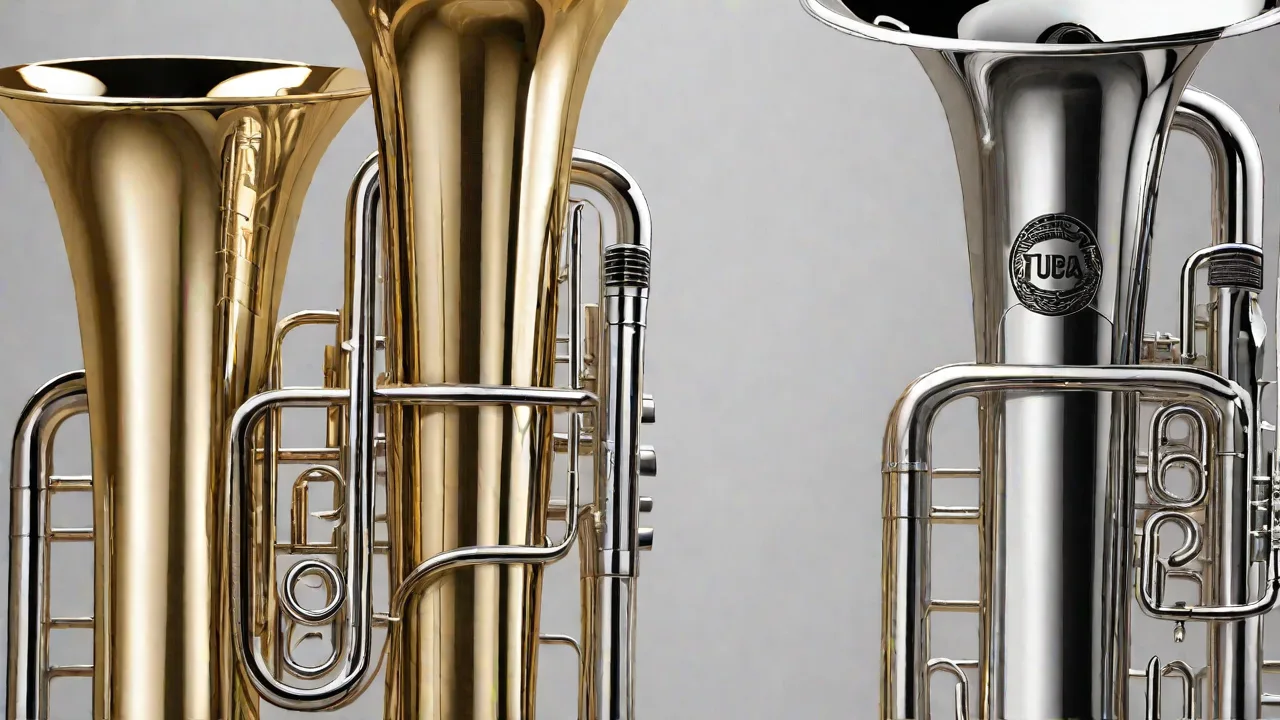
Understanding Tuba Mouthpieces and How to Select the Right One
Understanding Tuba Mouthpieces: The Foundation of Your Sound
The tuba forms the harmonic and rhythmic backbone of orchestras, concert bands, brass ensembles, and marching bands. Its deep, resonant voice provides the foundation that supports the entire ensemble. While the instrument itself is large and complex, one of the most critical components affecting a player's sound, endurance, and comfort is surprisingly small: the mouthpiece. Understanding tuba mouthpieces and how to select the right one can dramatically enhance your playing experience, whether you are a beginner just starting out or an advanced player refining your equipment. This guide provides a comprehensive, authoritative look at tuba mouthpiece design, function, and selection criteria to help you make an informed, personalized choice.
What Is a Tuba Mouthpiece?
A tuba mouthpiece is the interface between the player and the instrument. It is the device against which you buzz your lips to produce the initial sound wave. The mouthpiece consists of several precisely engineered interconnected parts: the rim, cup, throat, and backbore. Each of these components influences different aspects of tone, range, articulation, and playability. The mouthpiece attaches to the leadpipe of the tuba via a tapered shank, and the vibration of the player's lips inside the cup creates sound waves that are then amplified and shaped by the instrument's tubing and bell. A well-chosen mouthpiece can make the instrument feel free-blowing and responsive, while a poor match can create resistance, fatigue, and a compromised tone.
The mouthpiece is not a one-size-fits-all accessory. Different tuba sizes—from the smaller Eb and F tubas to the larger CC and BBb instruments—require different shank sizes and cup dimensions. Additionally, a player's individual physiology, embouchure, and musical goals all play a role in determining the ideal mouthpiece.
Anatomy of a Tuba Mouthpiece: Key Components
To make an informed selection, it is essential to understand the function of each part of the mouthpiece. Every dimension affects the playing experience in a measurable way.
Rim
The rim is the outer edge that contacts your lips. Its shape, width, contour, and bite (the inner edge) affect comfort, endurance, flexibility, and range. A wider rim distributes pressure over a larger surface area, which can reduce fatigue during long playing sessions but may limit flexibility. A narrower rim offers greater precision and ease of articulation but can dig into the lips under high pressure. The contour—whether flat, rounded, or contoured—affects how the mouthpiece seats against the lip tissue. Players with larger or fuller lips often prefer a wider, more rounded rim, while those with thinner lips may find a smaller, sharper rim more responsive.
Cup
The cup is the hollow cavity where your lips vibrate. Its depth and diameter are the primary determinants of tone quality and ease of playing. A deeper cup produces a darker, richer, more fundamental-centered sound with greater projection, but requires more air support and can feel resistant in the upper register. A shallower cup brightens the tone, improves high-range response, and requires less air, but can sound thin or edgy and may limit dynamic range. Cup shape also matters: a U-shaped cup offers a full, round tone, while a V-shaped or funnel-shaped cup can produce a more focused, directional sound.
Throat
The throat is the narrow passage that connects the cup to the backbore. It controls airflow and resistance. A larger throat diameter reduces resistance, allowing the air to move more freely and increasing volume potential. However, it can reduce control, especially in the low and high extremes of the range. A smaller throat increases resistance, which can aid in maintaining a focused sound and improve response in certain registers, but can feel stuffy and limit dynamic range. Many players experiment with throat sizes to dial in the perfect balance of openness and resistance for their playing style.
Backbore
The backbore is the tapering section inside the mouthpiece shank that leads into the instrument's leadpipe. It significantly affects projection, tone color, intonation, and slotting. The shape and taper of the backbore determine how the sound wave behaves as it enters the instrument. A more open backbore with a gradual taper produces a darker, broader sound with less edge, while a tighter, more abrupt taper can brighten the sound and improve high-register response. Some manufacturers offer multiple backbore options for the same cup design, allowing players to fine-tune their setup.
Shank
The shank is the part that inserts into the tuba's leadpipe. It comes in two standard sizes: small shank (typically for Eb and F tubas) and large shank (for BBb, CC, and some F tubas). Using the correct shank size is critical for proper fit and optimal sound. An ill-fitting shank can cause air leaks, poor response, and intonation issues.
How Mouthpiece Dimensions Affect Your Playing
The interplay of these components creates a complex system that defines the mouthpiece's personality. Understanding these relationships helps you predict how a mouthpiece will behave.
- Rim diameter and cup depth interaction: A larger rim combined with a deep cup offers maximum volume and a huge sound, but can be fatiguing and difficult to articulate clearly. A smaller rim with a shallower cup is easier to play for extended periods and aids response, but may lack depth of tone.
- Cup shape and throat size: A wide, shallow cup with a large throat produces a bright, open sound with minimal resistance, often favored in marching settings. A deep, narrow cup with a smaller throat yields a dark, focused sound with controlled resistance, preferred in orchestral contexts.
- Backbore taper and intonation: A more open backbore can flatten the pitch in the upper register, while a tighter backbore can sharpen it. Players must consider how different backbores affect their instrument's tuning tendencies.
- Throat and backbore combination: The throat and backbore work together to create the overall resistance profile. A large throat with a tight backbore can feel inconsistent, while a balanced combination provides smooth, even response across the range.
Materials and Their Influence on Tone
While brass is the most common material for tuba mouthpieces, the specific alloy and surface finish have a noticeable impact on sound and feel. Understanding material choices can help you fine-tune your equipment further.
- Yellow brass (standard): The default material for most mouthpieces. It offers a balanced tone with good projection and warmth. It is durable and relatively affordable.
- Silver-plated brass: Silver plating adds a layer of brightness and clarity to the sound. It can feel slicker against the lips and may be preferred by players who want a more articulate, cutting tone. Silver also has antimicrobial properties, which can be beneficial for hygiene.
- Gold-plated brass: Gold plating softens the edge of the tone, producing a darker, rounder sound. It is also smoother against the lips and can reduce friction. Gold plating is less durable than silver and significantly more expensive.
- Stainless steel: Used primarily for the rim or the entire mouthpiece, stainless steel offers a bright, focused sound with excellent durability. It is non-reactive and easy to clean, but can feel cold and hard against the lips.
- Titanium: Extremely lightweight and strong, titanium mouthpieces provide a very clear, direct sound with minimal damping. They are rare and expensive, often used by players seeking maximum efficiency.
- Lexan or acrylic: These synthetic materials are occasionally used for marching mouthpieces due to their durability in extreme temperatures. They produce a thinner, less resonant tone and are generally not recommended for concert or orchestral work.
The finish also matters: a polished finish feels smooth and reduces friction, while a satin or matte finish provides a slightly textured grip. Some players prefer the feel of unfinished raw brass, though it requires more frequent cleaning to prevent tarnish.
Types of Tuba Mouthpieces by Instrument
Tubas come in several key sizes, each with its own bore, leadpipe, and response characteristics. Mouthpieces are designed specifically to complement these instrument types.
BBb Tuba Mouthpieces
The BBb tuba is the most common in school bands and many community ensembles. It is pitched a full step lower than the CC tuba and has the largest bore of the common tubas. BBb mouthpieces typically feature a large shank, a relatively wide rim, and a deep cup to produce the dark, fundamental-heavy sound that anchors the ensemble. Popular choices include the Denis Wick 2 (large, deep) and the Bach 24W.
CC Tuba Mouthpieces
The CC tuba is the standard in professional orchestras worldwide. It offers slightly more flexibility and a clearer tone than the BBb. CC mouthpieces often have a slightly smaller cup diameter and a shallower cup than BBb mouthpieces, allowing for greater agility and clarity in the upper register. The Miraphone C4 and the Schilke 66 are classic examples designed specifically for CC instruments.
Eb Tuba Mouthpieces
The Eb tuba (often called the tenor tuba or small tuba) is used for solo repertoire, chamber music, and sometimes in orchestral sections requiring a lighter bass voice. Eb mouthpieces use a small shank and a smaller cup diameter with a shallower cup to brighten the sound and improve high-range response. The Denis Wick 5AL and the Yamaha 67C are standard choices.
F Tuba Mouthpieces
The F tuba is a smaller, higher-pitched instrument used primarily in solo and chamber settings, as well as for upper-register work in orchestras. F mouthpieces are even smaller and shallower than Eb mouthpieces, with a small shank. They prioritize clarity, articulation, and ease of playing in the high register. The Schilke Helleberg II is a versatile option for F tuba.
Mouthpieces for Different Playing Contexts
The ideal mouthpiece varies significantly depending on the musical setting and repertoire.
Orchestral Playing
Orchestral tubists require a dark, focused, fundamental-rich sound that blends with the bass trombone and strings. The mouthpiece should offer controlled resistance for precise dynamic control from pianissimo to fortissimo. A deeper cup with a moderate throat and a backbore that emphasizes warmth and projection is typical. Many orchestral players prefer a wider rim for comfort during long rehearsals and performances.
Marching Band
Marching band demands projection, endurance, and durability. Mouthpieces for marching often feature a shallower cup to brighten the sound and cut through the outdoor environment. A larger throat reduces resistance for easy, free-blowing use. Rims are often wider and more rounded for comfort during long parades and rehearsals. Marching mouthpieces are frequently made of plated brass or synthetic materials to withstand weather extremes.
Solo and Chamber Music
Soloists need flexibility, a wide dynamic range, and a clear, beautiful tone that projects over the piano or other instruments. A medium-depth cup with a moderate rim offers a balance of richness and response. Backbores that enhance projection without compromising control are preferred. Solo mouthpieces for Eb and F tubas are often more specialized, with cup depths and rim shapes designed to facilitate clean articulation and a singing quality in the upper register.
Jazz and Commercial Music
Tuba players in jazz, funk, and commercial settings often seek a brighter, more focused sound that can cut through a rhythm section. Shallower cups with smaller throats and tighter backbores bring out the higher overtones. Some players use mouthpieces designed for bass trombone or even cornet with an adapter, though this is uncommon. The priority is often on articulation, rhythmic accuracy, and a punchy sound.
How to Choose the Right Tuba Mouthpiece
Selecting a mouthpiece is a deeply personal process. There is no single best mouthpiece—only the best mouthpiece for you, your instrument, and your playing context. Follow these steps to find your ideal match.
1. Start with Your Instrument
Determine whether your tuba requires a small or large shank mouthpiece. Measuring the leadpipe diameter or consulting your instrument's manual is the first step. Using the wrong shank size can damage the leadpipe and compromise your sound.
2. Assess Your Embouchure and Physical Characteristics
Your lip size, shape, thickness, and tooth structure all influence how a mouthpiece feels. Players with fuller lips often find wider rims and deeper cups more comfortable. Players with thinner lips may prefer smaller rims and shallower cups for greater precision. If you have a strong, developed embouchure, you can handle more resistance; a developing player may need a more free-blowing mouthpiece.
3. Define Your Sound Goal
Are you aiming for a dark, symphonic sound? A bright, projecting sound for marching? A flexible, singing tone for solos? Your sound concept should guide your cup depth and throat size choices. Listen to recordings of tubists you admire and research what equipment they use, but remember that their mouthpiece choice is personal to their physiology.
4. Test Multiple Options Systematically
Visit a knowledgeable retailer or a brass specialist who maintains a large inventory of mouthpieces. Play a consistent warm-up, scales, long tones, and passages from your repertoire on each mouthpiece. Evaluate these factors:
- Comfort: Does the rim feel good after 10 minutes of playing? Are there pressure points?
- Response: Does the mouthpiece speak easily in all registers? Does it feel sluggish or too free?
- Tone color: Is the sound too bright, too dark, or balanced? Does it blend with your concept?
- Intonation: Does the mouthpiece cause pitch tendencies in certain ranges that you can easily manage?
- Endurance: Can you play for extended periods without fatigue?
- Articulation: How cleanly do notes start? Is articulation crisp or fuzzy?
5. Seek Professional Guidance
Consult your private teacher, a respected clinician, or an experienced colleague who knows your playing style. They can offer objective feedback on how different mouthpieces affect your sound and can help you avoid common selection mistakes. Many instrument retailers also offer try-at-home programs that allow you to test mouthpieces in your own practice environment.
6. Common Mistakes to Avoid
- Choosing based on what another player uses: A mouthpiece that works perfectly for a professional may be wholly unsuitable for your embouchure or instrument.
- Changing mouthpieces too frequently: Give yourself time to adapt. A mouthpiece that feels strange in the first hour may become comfortable after a week of consistent use.
- Ignoring the instrument mouthpiece receiver: Some tubas have leadpipes that are more sensitive to shank length or taper. A mouthpiece that fits loosely or extends too far into the leadpipe can cause intonation problems.
- Focusing only on one dimension: The rim, cup, throat, and backbore form an integrated system. Changing one dimension affects the balance of the others.
Popular Tuba Mouthpiece Brands and Notable Models
Several manufacturers have established reputations for quality, consistency, and innovation in the tuba mouthpiece market.
- Denis Wick: Offers an extensive range of tuba mouthpieces across all shank sizes and cup depths. Their Classic series (2, 3, 4, 5) and the Heritage series are widely used by professionals and students alike. The Denis Wick 2 is a benchmark large-shank model for BBb and CC tubas, prized for its depth and warmth.
- Miraphone: Known for mouthpieces designed specifically for their own instruments but compatible with other brands. The Miraphone C4 and B5 are staples among orchestral CC players, offering a clear, focused tone with excellent projection.
- Schilke: High-end mouthpieces favored by soloists and professionals. The Schilke 66 and Helleberg II (both in large and small shank versions) are classic models known for their versatility and refined response.
- Yamaha: Consistent, affordable, and reliable. The Yamaha 67C and 68L are common choices for students and intermediate players, offering a good balance of comfort and tone quality.
- Bach: The Bach 24W and 25W are long-standing standards for BBb and CC tubas. They produce a dark, broad sound that is well-suited to symphonic playing.
- Giddings: A custom mouthpiece maker that offers unique designs with interchangeable parts. Giddings mouthpieces are known for their innovative backbore designs and high-quality materials.
- Allen: Another respected custom manufacturer, particularly popular among CC tuba players seeking a darker, more focused sound.
For a detailed comparison of mouthpiece dimensions across brands, consult online resources such as the Denis Wick Mouthpiece Guide, which provides comprehensive diagrams and specifications. Retailers like Schmitt Music and The Brass Place also offer mouthpiece comparison tools and expert advice.
Maintaining Your Tuba Mouthpiece
Proper care extends the life of your mouthpiece and ensures consistent performance. A neglected mouthpiece can harbor bacteria, collect residue that dulls the sound, and develop physical damage that compromises playability.
- Clean regularly: Wash your mouthpiece with warm, soapy water using a dedicated mouthpiece brush at least once a week if you play daily. Use a solution of mild dish soap and warm water. Avoid using hot water, which can damage plating over time.
- Disinfect periodically: For antimicrobial cleaning, you can use a solution of white vinegar and water or a specialized instrument disinfectant. Silver-plated mouthpieces benefit from occasional polishing with a silver cloth.
- Rinse and dry thoroughly: After cleaning, rinse all soap residue away with clean water and dry the mouthpiece with a soft cloth. Ensure the inside of the shank is completely dry before storing.
- Store properly: Always place your mouthpiece in a padded case or a dedicated mouthpiece pouch. Avoid dropping it or storing it loose in a bag where it can get scratched or dented. Even minor dents in the rim or cup can affect the seal and sound quality.
- Avoid extreme temperatures: Do not leave your mouthpiece in a hot car, direct sunlight, or freezing environments. Extreme temperature changes can cause plating to crack or peel and can warp the metal, especially if the mouthpiece is assembled on the instrument during temperature swings.
- Inspect for wear: Periodically check the rim for sharp edges, burrs, or uneven wear that could irritate your lips. The shank can wear down over time, affecting the fit in the leadpipe. If you notice air leaks or a loose fit, consult a qualified technician.
Final Thoughts
The mouthpiece is the most intimate and influential component of your tuba setup. It is the point where your breath and embouchure connect directly to the instrument, and its design shapes every aspect of your sound and playing experience. Investing time in understanding the features of tuba mouthpieces and experimenting with different options is one of the most rewarding steps you can take as a player.
There is no shortcut to finding the right mouthpiece. It requires patient, systematic testing, honest self-evaluation of your physical needs and musical goals, and ideally, the guidance of an experienced teacher or clinician. A mouthpiece that feels foreign at first may become your everyday tool after adequate adaptation time, while a mouthpiece that initially feels easy might eventually limit your growth. Approach the selection process as an exploration, not a destination.
Whether you are a beginner seeking your first mouthpiece upgrade or a professional refining your equipment for a specific orchestral audition, the principles outlined in this guide will help you make informed decisions. Your ideal mouthpiece is out there. With persistent, disciplined experimentation, you will find the one that helps you produce your best sound with the greatest comfort and control.