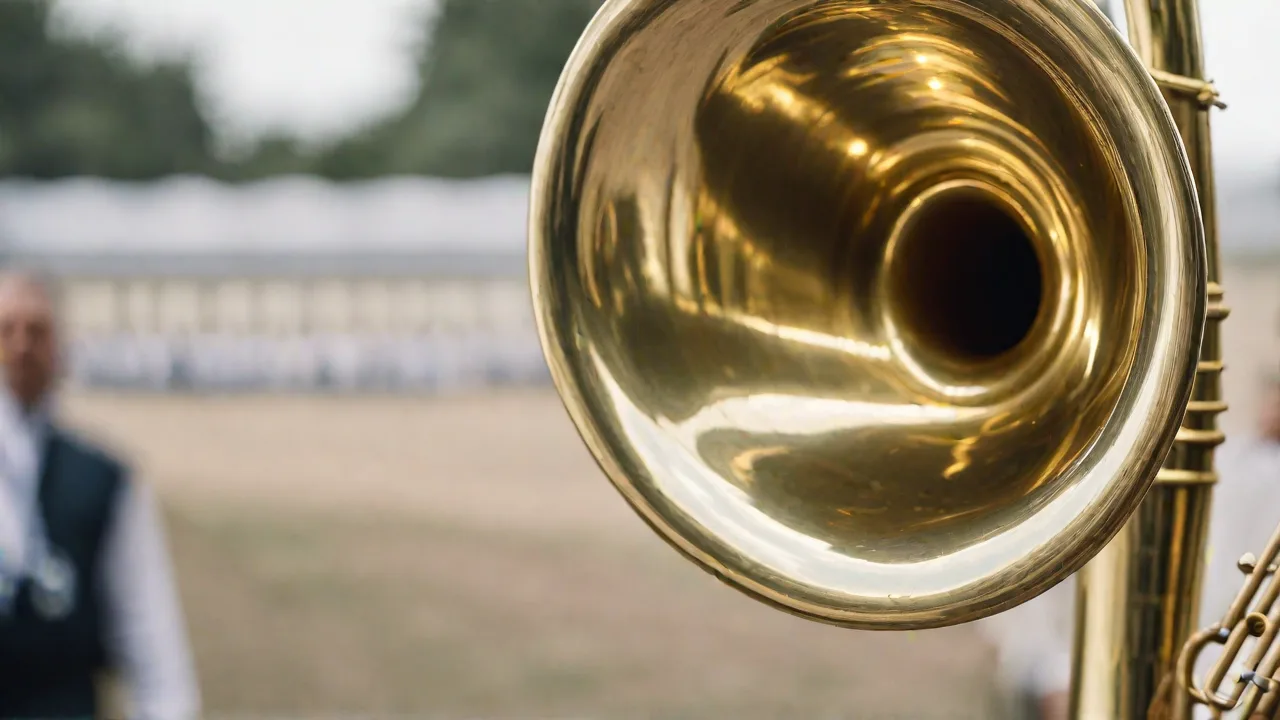
The Role of the Tuba in Orchestral Music
The Role of the Tuba in Orchestral Music
The tuba, as the largest and lowest-pitched brass instrument, holds a unique and essential position in orchestral music. Its deep, resonant tones provide the foundation upon which harmonies are built, enriching the overall sound and adding depth to the ensemble. Understanding the role of the tuba in orchestral settings offers insight into its musical importance and highlights why it remains a vital instrument across various genres.
Historical Background of the Tuba in Orchestras
Origins and Evolution
The tuba was invented in the mid-19th century, around 1835, by Wilhelm Friedrich Wieprecht and Johann Gottfried Moritz in Prussia. It was designed to replace the ophicleide, a keyed brass instrument with a limited range and uneven tone quality. The tuba introduced a more consistent, powerful, and flexible bass voice to the brass section, quickly becoming an essential component of orchestras and military bands.
Initially, tubas came in several shapes and sizes, including the circular "helicon" and the upright "sousaphone" (developed later for marching bands). The modern orchestral tuba typically features a front-facing bell and rotary valves (common in European orchestras) or piston valves (favored in American ensembles). This evolution allowed for better projection and intonation, making the tuba a versatile tool for composers.
Early Adoption by Composers
Richard Wagner was among the first major composers to embrace the tuba, using it prominently in Der Ring des Nibelungen to add weight and grandeur. Giuseppe Verdi also incorporated the tuba into his operas, such as Aida and Otello, taking advantage of its ability to reinforce bass lines and create dramatic tension. By the late 19th century, the tuba had become a standard member of the symphony orchestra, appearing in works by Gustav Mahler, Anton Bruckner, and Richard Strauss.
The instrument continued to evolve into the 20th century, with improvements in valve mechanisms and materials. Today, the tuba is an expected presence in orchestras, concert bands, jazz ensembles, and even solo performances, demonstrating its remarkable adaptability.
The Tuba’s Function in the Orchestra
Harmonic Foundation
In orchestral music, the tuba primarily serves as the bass voice of the brass section, anchoring harmonies and supporting the rhythm. Its low, robust sound provides a solid harmonic base that allows higher-register instruments to move freely. Without the tuba, the brass section can sound thin or top-heavy, especially in forte passages. Composers often write the tuba to double the bass trombone or contrabassoon, reinforcing the lowest notes of the chord.
Rhythmic Drive and Percussive Support
Beyond harmony, the tuba contributes significantly to rhythmic momentum. In marches and fast-paced movements, the tuba often plays with the percussion section, accentuating downbeats or providing syncopated patterns. This partnership with timpani and bass drum creates a powerful pulse that drives the orchestra forward. In slower works, the tuba can sustain long notes, offering a calm underpinning that allows melodic lines to soar.
Color and Timbre
The tuba’s timbre is rich, dark, and rounded, capable of blending seamlessly with both brass and woodwinds. Its sound can evoke a wide range of emotions—from solemn and majestic to playful and lyrical. Composers exploit this versatility: in Stravinsky’s The Rite of Spring, the tuba contributes to the work’s primal, earthy character, while in Vaughan Williams’ Symphony No. 5, it provides warm, pastoral hues.
Solo and Melodic Roles
Though primarily a supporting instrument, the tuba occasionally takes the spotlight. Notable solo passages include the tuba’s lyrical theme in the second movement of Mahler’s Symphony No. 1 and the iconic solo in the Tuba Mirum section of Mozart’s Requiem (originally written for the serpent, but now often performed on tuba). In contemporary works, composers regularly assign the tuba melodies that showcase its expressive range, demonstrating that it is far more than a mere bass drone.
Notable Composers and Works Featuring the Tuba
Many composers have recognized the tuba’s unique qualities and incorporated it prominently in their works. Here are some key figures and compositions:
- Richard Wagner: His operas, particularly Das Rheingold and Siegfried, use the tuba to add gravitas and power. Wagner even commissioned a special "Wagner tuba" (a hybrid instrument combining elements of the French horn and tuba) for his Ring cycle.
- Gustav Mahler: Mahler’s symphonies often assign the tuba significant thematic material. In his Symphony No. 6, the tuba plays a haunting solo at the end of the slow movement, and in Symphony No. 7, it punctuates the scherzo with gruff, rhythmic interjections.
- Igor Stravinsky: The tuba plays a crucial role in The Rite of Spring, contributing to the work’s primal energy. The opening bassoon solo is later echoed by the tuba, creating a sense of ancient ritual.
- Ralph Vaughan Williams: His orchestral works, including the Symphony No. 5 and the Fantasia on a Theme by Thomas Tallis, feature the tuba in both harmonic and melodic contexts, emphasizing its lyrical potential.
- John Williams: In film scores, the tuba shines in works like Star Wars (the Imperial March is punctuated by tuba and contrabass trombone) and Jurassic Park, where the tuba adds depth to the majestic theme.
These compositions demonstrate the versatility of the tuba and its ability to move beyond simple accompaniment into expressive solo parts.
Types of Tubas Used in Orchestras
Not all tubas are the same. Orchestras typically employ several variations to match the repertoire and acoustic environment:
- F Tuba: Pitched in F, this is the standard orchestral tuba in many European orchestras. It offers a warm, nimble sound and is preferred for its ability to articulate quickly in the higher range.
- BB-flat Tuba: A larger, deeper instrument common in American orchestras and concert bands. It provides a powerful, fundamental bass and is easier to play in the lowest register.
- CC Tuba: Very large and pitched in C, this tuba is often used for solo and contemporary music due to its even response across the range. Its size makes it less agile but immensely resonant.
- Eb Tuba: Smaller and higher-pitched, sometimes used for lighter orchestral works or by younger players. It is more agile but lacks the deep foundation of larger tubas.
Many professional tubists maintain a set of instruments from different pitches to adapt to various scoring and conductor preferences. The choice of tuba can significantly affect the orchestra’s overall sound, particularly in works by composers like Bruckner, who wrote for the F tuba specifically.
Techniques and Challenges for Tuba Players in Orchestras
Playing the tuba in an orchestral environment requires a combination of technical skill, musical sensitivity, and stamina. Some of the challenges and techniques include:
- Breath Control: Due to its large bore and deep pitch, producing a steady, controlled sound demands excellent breath management. Tubists must use diaphragmatic breathing and plan phrases carefully to avoid running out of air.
- Articulation and Clarity: Tubists must articulate notes cleanly, especially in fast passages or when playing in unison with trombones. Techniques like double tonguing (tu-ku) are essential for rapid passages.
- Dynamic Range: The tuba can play from very soft, subtle notes (pianissimo) to powerful fortissimo bursts. Mastering this range is crucial for orchestral blending; too loud and the tuba overpowers the rest of the brass, too soft and it disappears.
- Intonation: Maintaining accurate pitch across the tuba’s wide range is essential. Because the tuba has many alternate fingerings, players must have a refined ear and adapt their embouchure and airspeed to stay in tune with the orchestra.
- Endurance: Orchestral passages often require sustained playing at moderate to loud dynamics, which can be physically taxing. Building stamina through long tones and consistent practice is key.
Successful orchestral tuba players combine these skills with a keen sense of ensemble awareness. They must listen carefully to the bass trombone, contrabassoon, and double basses to blend and lock in rhythm. The best tubists are not merely loud; they are precise, musical, and flexible.
The Tuba’s Relationship with Other Orchestral Sections
In an orchestra, the tuba interacts closely with various sections to create a cohesive sonic landscape:
- Brass Section: The tuba anchors the brass, blending with trombones (especially bass trombone), French horns, and trumpets to create a layered harmonic structure. In many compositions, the tuba and bass trombone function as a single bass unit, doubling each other for reinforcement.
- Woodwinds: Though woodwinds occupy higher ranges, the tuba complements their timbres by adding weight and balance. For instance, in a chord played by the full orchestra, the tuba’s deep sound supports the bassoon and contrabassoon, filling out the lower partials.
- Strings: The double basses and cellos often play in tandem with the tuba, reinforcing bass lines and rhythm. In Romantic-era works, the tuba may double the string basses an octave lower for extra power, creating a rich, resonant foundation.
- Percussion: Rhythmic synchronization with percussion instruments helps drive momentum and accentuate dramatic moments. The tuba’s attacks must align perfectly with timpani strokes and bass drum impacts to create a unified rhythmic push.
This interplay highlights the tuba's significance as a bridging instrument, linking the brass to other sections while enriching the orchestra's tonal palette. Composers often exploit this dual role: the tuba can function as a member of the brass section or merge with the percussion and low strings to create a massive, unified low-end sound.
Famous Tuba Players and Their Contributions
The artistry of notable tubists has elevated the instrument’s profile and expanded its repertoire:
- Arnold Jacobs (1915–1998): Principal tubist of the Chicago Symphony Orchestra for 44 years, Jacobs is considered one of the greatest tubists of all time. His teaching on breath support and musical phrasing has influenced countless brass players worldwide.
- Roger Bobo (1938–2023): A pioneer of the tuba as a solo instrument, Bobo performed and recorded extensively, commissioning new works from composers like Krzysztof Penderecki and John Cage. He was the first tubist to give a solo recital at Carnegie Hall.
- Gene Pokorny: Longtime principal tubist of the Chicago Symphony Orchestra, Pokorny is known for his rich tone and effortless technique. He has performed the tuba solo in Richard Strauss's Also sprach Zarathustra countless times with distinction.
- Øystein Baadsvik: A Norwegian tubist renowned for his solo career and mastery of multiphonics (playing two notes simultaneously on the tuba). He has expanded the instrument’s technical boundaries.
These musicians have inspired generations of young tubists and proven that the tuba can hold its own in the spotlight.
The Tuba in Film Scores and Modern Media
From the ominous low rumbles in Jaws to the heroic fanfares in Star Wars, the tuba is a staple of film soundtracks. Its ability to produce both menacing and majestic sounds makes it ideal for scoring intense scenes. In contemporary media, the tuba appears in video game soundtracks (e.g., The Legend of Zelda series) and even pop music, where artists like The Beatles and Radiohead have used it for unique timbral effects. The tuba’s versatility ensures its continued relevance beyond the classical concert hall.
Education and Training for Orchestral Tuba Players
Aspiring orchestral tubists typically begin on smaller instruments (such as the Eb tuba) before moving to larger ones. Formal training includes private lessons, participation in youth orchestras and concert bands, and pursuing a music degree (Bachelor’s, Master’s, or Doctorate) in tuba performance. Key aspects of training include:
- Etude and Scale Practice: Daily work on technical exercises to build finger dexterity, articulation, and range.
- Orchestral Excerpts: Studying passages from standard repertoire (e.g., the tuba part in Mussorgsky’s Pictures at an Exhibition or Tchaikovsky’s Symphony No. 5). Auditions for professional orchestras require mastery of many such excerpts.
- Chamber Music: Playing in brass quintets or tuba-euphonium ensembles helps develop listening skills and blend.
- Masterclasses: Learning from established professionals is invaluable for refining technique and musical interpretation.
Reputable schools with strong tuba programs include the Juilliard School, University of North Texas, and the Royal Academy of Music. Many successful tubists also attend summer festivals like the Music Academy of the West or the Tuba/Euphonium Conference hosted by the International Tuba Euphonium Association (ITEA).
Conclusion: The Enduring Importance of the Tuba in Orchestral Music
The tuba’s role in orchestral music is both foundational and dynamic. Its deep, resonant sound provides the harmonic bedrock necessary for the entire ensemble, while its occasional solos and melodic lines showcase its expressive potential. For composers and conductors alike, the tuba offers a versatile voice capable of conveying power, warmth, and subtlety.
For musicians and audiences, the tuba remains an instrument that enriches the orchestral experience, ensuring that the music resonates with fullness and emotional depth. Whether underpinning the harmony or stepping into the spotlight, the tuba’s contribution to orchestral music is indispensable and timeless. As both instrument technology and performance practice continue to evolve, the tuba will undoubtedly remain a cornerstone of orchestral ensembles for generations to come.