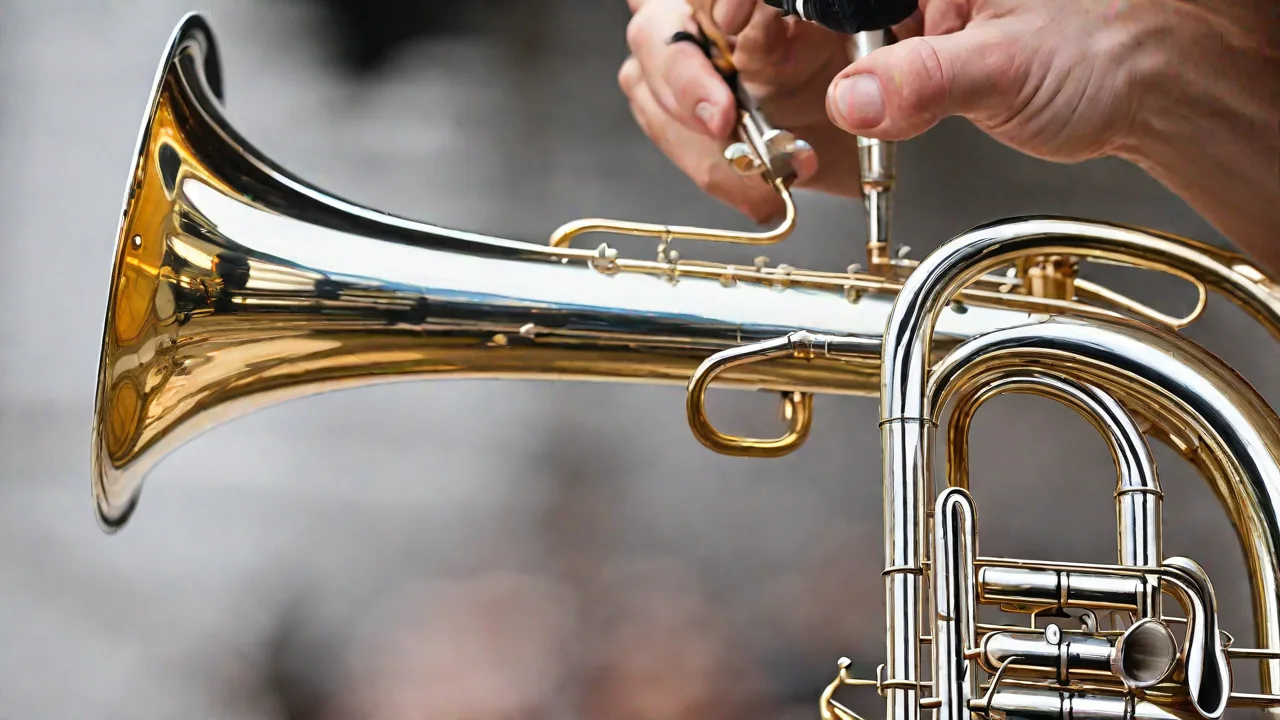
How to Properly Clean and Care for Your Baritone Horn
The Baritone Horn: Mastering its Care and Preservation
The baritone horn is the lyrical heart of the concert band and brass ensemble, offering a warm, flowing tone that bridges the brilliance of the trumpets and the depth of the tubas. While its construction looks rugged, the baritone is a precision machine built from thin brass, delicate pads, and tightly toleranced pistons. Every practice session deposits a complex mixture of moisture, minerals, and organic material inside its tubing. Without a disciplined care regimen, this buildup leads to corrosion, sticky valves, tuning instability, and a general degradation of sound quality. A meticulously maintained baritone horn, however, rewards its player with effortless response, accurate intonation, and a resonant, focused tone. This guide provides a comprehensive system for cleaning and caring for your baritone horn, moving beyond simple routines to address the causes of wear and equipping you with the techniques to preserve your instrument for a lifetime.
Why Regular Maintenance is Non-Negotiable
Brass instruments are subjected to a harsh internal environment. The warm, moist air from your breath condenses inside the tubing, creating a breeding ground for bacteria and mold. Saliva contains enzymes and acids that can slowly etch the inner surface of the brass. Over time, calcium from hard water and mineral deposits from saliva accumulate in the valve casings and slides, creating friction that slows valve action and makes slides stick. This layer of residue also dampens the vibrations of the brass, resulting in a dull, stuffy sound. Regular cleaning removes these deposits, restoring the instrument’s natural resonance and mechanical precision. More importantly, it prevents irreversible damage like red rot (dezincification), which weakens the tubing and can lead to costly repairs or professional replacement.
Building a Complete Baritone Horn Care Kit
Using the correct tools is essential for effective cleaning. Improvisation can lead to scratches, bent tubing, or damaged finishes. Investing in quality supplies designed specifically for brass instruments saves time and prevents costly mistakes.
Cleaning Agents
- Mild dish soap: Dawn or a similar gentle degreasing soap is ideal. Avoid detergents with harsh chemicals, abrasives, or moisturizers that can leave a residue inside the tubing.
- Brass polish (for unlacquered horns): Use only if your baritone has a raw brass finish or if you are polishing silver plate. Never use abrasive metal polish on a lacquered instrument, as it will remove the protective coating.
- White vinegar (diluted): A 50/50 mix of white vinegar and water is highly effective for dissolving hard water and mineral deposits from valve casings and slides. Use it sparingly and rinse thoroughly.
Mechanical Cleaning Tools
- Flexible cleaning snake (48-inch or longer): This is the most critical tool for internal cleaning. Look for one with stiff nylon bristles that can scrub the interior walls without scratching them. A snake long enough to reach through the main tuning slide and both branches of the baritone is essential.
- Valve casing brush: A short, stiff cylindrical brush precisely sized for brass valve casings. A bottle brush or a brush designed for smaller instruments will not be effective and may get stuck.
- Mouthpiece brush: The mouthpiece harbors more bacteria than any other part of the horn. A dedicated brush with a narrow, curved stem reaches the shank and cup efficiently.
- Valve cleaning rod: A smooth metal or plastic rod with a slot or hook at the end to hold a lint-free cloth. This is used to wipe the interior of the valve piston itself.
Lubricants
- High-quality valve oil: Synthetic valve oils, such as those from Hetman or Yamaha, offer stable viscosity across temperature ranges and resist breakdown from moisture. Petroleum-based oils like Blue Juice are effective but can leave a gummy residue if applied too often. Use a dedicated piston valve oil, not rotor oil.
- Slide grease: Lanolin-based greases are excellent for sealing and gliding. Synthetic slide greases (like Yamaha Slide Grease) are ideal because they do not dry out and provide consistent movement. Avoid using thick plumbing grease or lubrication products not intended for musical instruments.
- Key oil (for water keys): A single drop of lightweight oil on the pivot points of the water keys prevents squeaks and ensures a tight seal.
Cloths and Storage
- Microfiber cloths: Ideal for wiping down the exterior after playing. They are non-abrasive and trap oils and moisture effectively.
- Polishing cloth: A treated cloth designed for silver or lacquer finishes. Use a soft, lint-free cloth for lacquer and a specific anti-tarnish cloth for silver.
- Storage case: A hard-shell case is the best protection. Ensure the case latches are secure and the interior padding is intact. Avoid storing anything on top of the case.
The Post-Play Routine: Five Minutes That Save Years
Establishing a daily ritual is the single most effective way to extend the life of your baritone horn. This routine takes less than five minutes but dramatically reduces the accumulation of residue.
- Drain all moisture: Immediately after playing, open all water keys (spit valves) and blow air through the instrument to expel trapped condensation. Tilt the horn in different directions to ensure all branches are emptied. Do not leave moisture sitting in the horn.
- Wipe down the exterior: Use a clean, dry microfiber cloth to remove fingerprints, skin oils, and moisture from the outer surface. Fingerprints are acidic and can etch lacquer or tarnish silver over time. Pay special attention to the bell rim, where contact is constant.
- Remove and wipe the mouthpiece: The mouthpiece should be removed, wiped clean, and placed in its compartment or a protective pouch. Leaving the mouthpiece in the receiver encourages it to become stuck.
- Inspect and polish the valves: Before putting the horn away, depress each valve several times to feel for smoothness. If any resistance is felt, remove the valve, wipe it with a lint-free cloth, apply two to three drops of fresh valve oil, and reseat it. Wipe away any excess oil that seeps out of the casing.
- Check tuning slides: Gently work the tuning slides in and out once a week to ensure they are not seizing. A slide that is left untouched for months can become permanently stuck.
The Weekly Deep Clean: A Systematic Wash
Once a week, or after heavy rehearsal use, your baritone horn needs a full cleaning bath. This process removes the biological and mineral buildup that a daily wipe-down cannot touch. Set aside 45 minutes for this procedure.
Step 1: Safe Disassembly
Lay a soft towel on a large, clear work surface. Remove the mouthpiece first. Then, unscrew the valve caps and lift the pistons out. Place them on the towel in exact order (1, 2, 3, 4) to avoid mixing them up. If your valves are not numbered, use a piece of masking tape to label them. Remove all tuning slides and the main tuning slide. Be gentle—slides can bend easily if pulled at an angle.
Step 2: The Lukewarm Bath
Fill a bathtub, large plastic tote, or utility sink with lukewarm water. Water should not be hot, as heat can melt valve felts and damage lacquer. Add a small amount of mild dish soap. Submerge the main body of the horn (minus the valves) and the slides. Let them soak for 15-20 minutes. Do not submerge the valves themselves; prolonged water exposure destroys the felt pads.
Step 3: Tubing and Body Scrubbing
Using your flexible cleaning snake, run it through every accessible section of tubing. Insert the brush from the slide receivers, from the leadpipe, and from the bell. Work the snake back and forth to loosen deposits. For the main body, run the snake through the large U-bends and the valve section channels. Flush clear water through the tubing to dislodge the loosened debris.
Step 4: Cleaning the Valves and Casings
This is the most delicate part of the deep clean. Using a soft, lint-free cloth, gently wipe the surface of each valve piston. Remove any visible residue. Use a dedicated valve casing brush dipped in soapy water to scrub the inside of the valve casings. Insert the brush from the top and bottom, being careful not to scratch the casing walls. Rinse the casings thoroughly with lukewarm water. Wipe the valve stems clean of old oil and dirt.
Step 5: Slide and Mouthpiece Cleaning
Scrub the tuning slides with the cleaning snake. For the mouthpiece, soak it in warm, soapy water, then use a mouthpiece brush to vigorously scrub the inside of the shank and cup. Rinse thoroughly.
Step 6: Final Rinse and Drying
Rinse the main body and all slides with copious amounts of clean, lukewarm water. Ensure no soap residue remains. Shake out excess water from the body and slides. Place the horn body and slides on a clean, dry towel to air dry. Use a dry cleaning snake or a compressed air duster to remove moisture from hard-to-reach tubing. Allow everything to dry completely; trapped moisture promotes mold and corrosion.
Step 7: Lubrication and Reassembly
Once all parts are bone dry, apply slide grease to the inner slide tubes and reassemble them. Apply two to three drops of fresh valve oil to each valve piston and slide them carefully into their matched casings. Press the valves down a few times to distribute the oil. Wipe away any excess oil from the exterior.
Lubrication Strategy: Matching Product to Problem
Choosing the right lubricant is as important as the cleaning itself. Using the wrong type can cause sluggish action or even damage.
- Valve oil: Use a synthetic, high-viscosity oil designed for piston valves. Apply sparingly. Too much oil attracts dust and dirt, which creates a grinding paste that wears down valve plating. The goal is a thin, even film, not a flood.
- Slide grease: For tuning slides that need to move frequently (like the main tuning slide), use a medium-weight synthetic grease. For slides that are rarely adjusted, a thicker, lanolin-based grease provides a better seal. If a slide feels gritty when moved, clean it completely and reapply fresh grease; old grease traps dirt.
- Water key lubrication: The pivot screws on water keys can seize or squeak. A single drop of light key oil or 3-in-1 oil on the pivot point ensures smooth, quiet operation and a tight seal.
Troubleshooting Common Issues
Mechanical problems often stem from improper cleaning or neglect. Knowing how to diagnose common issues can prevent a trip to the repair shop.
Pops, Hisses, and Air Leaks
If you hear a popping sound when pressing a valve, the felt pads or springs may be misaligned or worn. Check the spring alignment and the condition of the bottom and top felts. If a hissing sound persists while playing, there may be an air leak at a connection joint or a cracked solder seam. Seal leaks require professional attention.
Sluggish Valve Return
A valve that is slow to return is almost always due to insufficient or dirty oil. Remove the valve, clean the piston thoroughly with a cloth, clean the casing with a casing brush, and re-oil. If the problem persists, the valve stem may be slightly bent—a condition that requires a repair technician to straighten. Never force a sticky valve.
Stuck Tuning Slides
Do not use pliers or excessive force on a stuck slide, as this will bend the tubing or break the solder joints. Apply a penetrating oil (like WD-40) carefully to the joint where the slide meets the receiver and allow it to sit for an hour. Gently tap the slide receiver with a rubber mallet while twisting the slide by hand. If it does not free up, take it to a professional.
Water Key Leaks
A leaking water key creates a continuous buzzing sound and robs you of air pressure. Inspect the cork or rubber pad. If it is hard, cracked, or compressed, replace it. The spring may also need adjustment to provide enough pressure to seal.
Long-Term Storage and Climate Control
How you store the baritone horn when it is not being played is just as important as how you clean it.
- Always use a case: Never leave the horn on a stand long-term. Cases protect against dust, accidental knocks, and drastic changes in humidity. A hard-shell case with a secure lid is best.
- Control the environment: Avoid storing your baritone in attics, garages, basements, or near heating vents. Extreme temperatures cause lacquer to peel, solder joints to weaken, and felts to deteriorate rapidly. Ideal storage is a stable room with moderate humidity.
- Use a hygrometer: A small digital hygrometer placed in the instrument storage area helps monitor humidity. Aim for 40–60% relative humidity. In dry climates, a passive humidifier in the case can help prevent pads from drying out.
- Clean before storage: Never store the instrument without draining moisture and wiping it down. Leftover moisture is the primary cause of red rot and mold.
Professional Servicing: An Annual Check-Up
While DIY cleaning handles routine maintenance, a professional repair technician provides a level of care that no home method can match. Schedule an annual check-up at a reputable brass repair shop.
- Ultrasonic cleaning: During a pro servicing, the entire horn can be submerged in an ultrasonic cleaning tank. This process uses high-frequency sound waves to dislodge every micro-particle of buildup from inside the tubing, including in places a cleaning snake cannot reach.
- Dent removal: Dents and dings accumulate over time. A skilled technician can remove dents using specialized tools, restoring the horn's structural integrity and air column, which improves tone quality and projection.
- Slide alignment: Tuning slides can become misaligned over time. A technician can ensure all slides fit perfectly, preventing air leaks and stuck slides.
- Pad and cork replacement: A professional will inspect all water key pads and valve felts, replacing any worn components. This ensures a tight seal and quiet, smooth action.
The Rewards of Diligent Stewardship
Caring for a baritone horn is a commitment, but the payoff is substantial. A clean, well-lubricated, and properly stored instrument responds with immediate clarity, plays in tune across its register, and projects a rich, resonant sound that a neglected horn cannot match. It demands less effort to play, allowing the musician to focus entirely on expression and musicianship. Furthermore, a meticulously maintained baritone holds its value exceptionally well. The regular investment of a few minutes a day and one hour a week in cleaning protects the financial investment in the horn and ensures it remains a reliable partner in music-making for decades. Proper care is not merely a chore; it is the foundation of a lifelong relationship with your instrument.