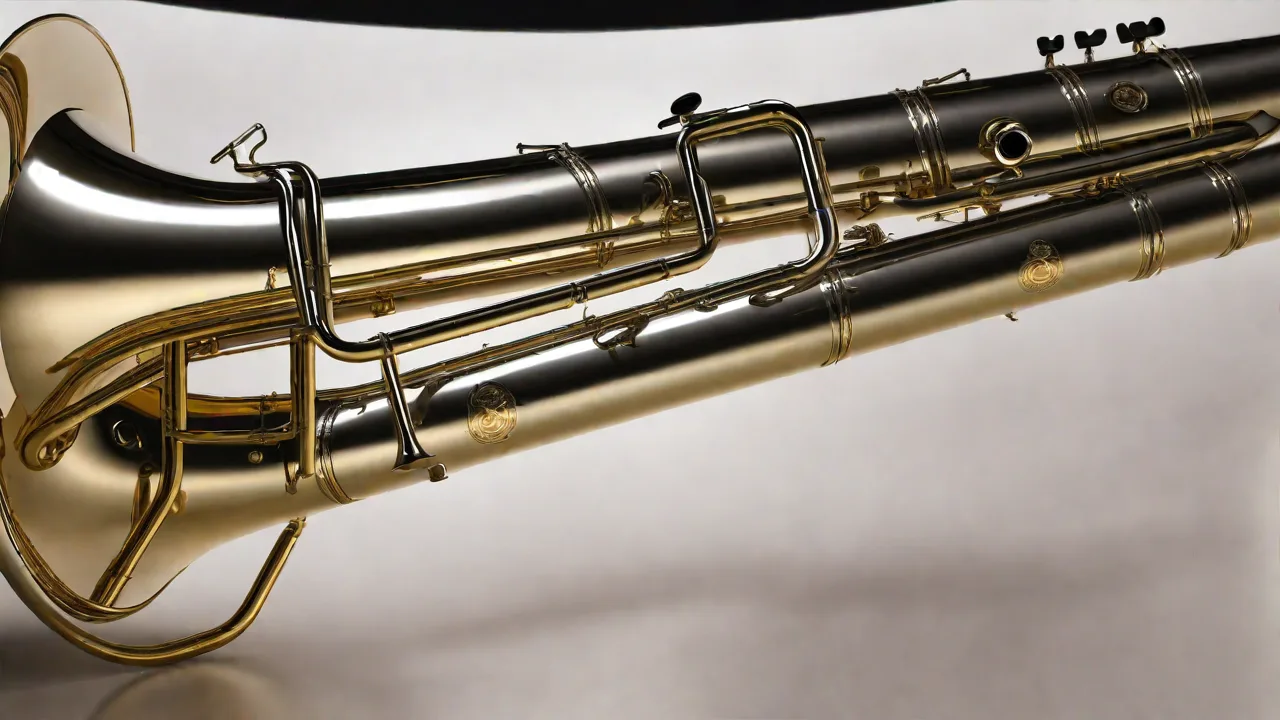
How to Customize Your Tuba for Better Performance
Customizing your tuba is one of the most rewarding investments you can make in your playing. While every stock instrument is designed to serve a broad range of musicians, a few thoughtful modifications can transform a good horn into a truly personal tool that responds exactly the way you want. Whether you are a high school student preparing for competitions, a college player refining your orchestral sound, or a professional looking for every edge in performance, the right customizations can improve tone, response, intonation, and comfort. In this expanded guide, we’ll dive deep into each area of customization—from mouthpiece selection and valve upgrades to ergonomic adjustments and advanced maintenance—so you can make informed, thoughtful choices that elevate your playing for decades to come.
The Mouthpiece: Your Most Personal Connection
The mouthpiece is where you and the instrument first meet. It directly influences your embouchure, airflow, endurance, and the fundamental character of your sound. Because every player’s lips, teeth, jaw structure, and playing style are unique, finding or customizing the right mouthpiece is often the single most impactful change you can make. Here’s a closer look at the key variables:
Rim Shape, Width, and Contour
The rim is what contacts your lips. A wider rim distributes pressure over a larger area, which can be more comfortable for long sessions but may reduce flexibility—particularly when moving between octaves. A narrower rim offers more defined articulation and easier flexibility but can cause fatigue if you play with excessive pressure. Some players find that a medium-wide rim with a slightly rounded contour provides the best balance. Experiment with different rim internal diameters (standard tuba mouthpiece sizes range from about 30 mm to 34 mm internal diameter) to see what allows your embouchure to settle most naturally. Brands like Bach, Conn, Helleberg, and Denis Wick offer numerous rim styles, and custom mouthpiece makers can even modify a rim profile to match your exact physical needs.
Cup Depth and Shape
Cup depth exerts a strong influence on tone color. Deep cups (like traditional “symphonic” models) produce a dark, broad sound with substantial volume and gravitas—ideal for orchestral and bass-heavy passages. Shallower cups yield a brighter, more focused sound and can improve response in the upper register, making them popular for solo work or chamber music. Medium-deep cups give a flexible compromise. The shape of the cup (bowl, funnel, or hybrid) also affects how the air stream is compressed. A funnel-shaped cup (narrowing gradually into the throat) produces a rich, centered sound; a bowl-shaped cup (more abrupt transition) gives a rounder but sometimes less focused tone. Try at least three different cup shapes before settling on one.
Throat Size and Backbore
The throat—the small opening at the base of the cup—regulates airflow resistance. A larger throat (e.g., 8 mm or larger) allows more air to pass through, increasing volume and low-end presence but requiring greater breath control and a strong, steady airstream. A smaller throat compresses the air, making the instrument feel more responsive at moderate dynamics but potentially lacking power at extreme ranges. The backbore (the taper of the shank that extends into the leadpipe) further shapes resistance and intonation. A more open backbore can smooth the blowing feel and improve low-register stability; a tighter backbore brightens the sound and helps high notes speak more easily. For orchestral players, a larger throat and open backbore are often preferred; for solo or jazz work, a smaller throat with tighter backbore might help projection.
Material and Plating
Mouthpieces are commonly made of brass with silver plating, but you can find options in gold, nickel silver, stainless steel, or even titanium. Silver plating is standard and provides a bright, resonant feel. Gold plating feels smoother and often warmer, and it can reduce friction for players who tend to use a lot of pressure. Nickel silver (or “German silver”) is harder and more durable, sometimes imparting a clearer, more articulate response. Some manufacturers offer mouthpieces with a combination of materials or interchangeable cup/rim systems. While material changes are subtle compared to rim or cup geometry, they can fine-tune comfort and tonal nuance.
Practical advice: Spend several weeks testing each mouthpiece you consider. Play long tones, scales, and excerpts from your standard repertoire. Record yourself to compare tone quality and intonation in the room. Many reputable retailers and manufacturers offer trial programs. Aim to keep two or three mouthpieces that suit different musical contexts—for example, a deeper cup for orchestral tutti passages and a shallower cup for solo lines or chamber music. Yamaha’s tuba resource page offers additional guidance on mouthpiece basics.
Valve Systems: Piston vs. Rotary
The valves are the mechanical heart of your tuba. Their action, alignment, and maintenance profoundly affect your ability to play cleanly and expressively. While most tubas come with either piston valves (common on American and British designs) or rotary valves (common on German and many European designs), the choice between them—and how you care for them—can define your instrument’s feel.
Piston Valves
Piston valves move linearly, similar to those on trumpets and French horns. They offer very fast, direct action and are generally easier to clean and lubricate yourself. Piston valves require high-quality oil applied regularly (at least every few days of heavy playing) to maintain speed and airtightness. Over time, pistons can wear slightly, affecting seal. Precision alignment is critical: even a fraction of a millimeter off can cause air leaks or sluggish return. Many professional tuba players send their instruments to a technician for a valve alignment service annually. If you find your piston valves feel “catchy” or slow, it could be due to worn springs, improper alignment, or a build-up of dirt. Aftermarket valve kits (sometimes with stainless steel or composite guides) can improve smoothness and durability.
Rotary Valves
Rotary valves use a rotating cylindrical core to redirect airflow. They are prized for their smooth, quiet action and minimal friction, which many players find ideal for lyrical passages and large, open intervals. Rotary valves require a different type of lubricant (rotary valve oil) applied to the rotor bearing, and they are less forgiving of abuse or poor alignment. If a rotor is misaligned, it can leak air or create an audible “clunk.” Rotary adjustments should be done by a technician. Some high-end tubas feature “floating” rotors or ball-bearing mechanisms for even smoother action. While piston and rotary systems can both be highly responsive, your choice should be based on the musical style you primarily play—piston valves are favored in many orchestral and brass band settings; rotary valves are common in German-style orchestras and some European solo repertoire.
Valve Maintenance Best Practices
- Daily: Oil piston valves with a few drops of quality valve oil. For rotary valves, apply rotor oil to the bearing every few days.
- Weekly: Wipe down the outside of valve casings and check for any signs of tarnish. Clean the mouthpiece thoroughly with warm water and a mouthpiece brush.
- Monthly: Pull out the valve slides (if removable) and clean them with a flexible snake brush. Re-grease tuning slides to ensure they move freely.
- Yearly: Have a professional technician inspect valve alignment, spring tension, and rotor bearings. This is especially important if you notice any loss of compression or feel a “bump” in the valve stroke.
If you are considering an upgrade, look for instruments with monel or stainless steel pistons (which resist wear better than standard brass) or hand-lapped rotors that guarantee a perfect seal. Conn-Selmer’s valve care guide provides additional professional tips.
Leadpipe and Taper Tuning
The leadpipe is the length of tubing that connects the mouthpiece receiver to the valve block. Its internal taper and length significantly shape the instrument’s resistance, response, and intonation across the spectrum. Many tuba manufacturers offer interchangeable leadpipes or aftermarket options that allow you to fine-tune the blow feel and tonal core.
Understanding Taper
A leadpipe with a gradual taper (starting wider near the mouthpiece and narrowing slowly) creates a more open feel, promoting a dark, broad sound but requiring more air. A steeper taper compresses the air stream more quickly, brightening the sound and giving a more direct, focused response. Some players find that a moderately open taper helps low notes speak more easily, while a tighter taper helps high notes slot better. The leadpipe also affects intonation: a longer leadpipe generally lowers the pitch of the entire overtone series, so adjusting leadpipe length (via tuning slides or replaceable sections) can help tune the instrument to a specific performance environment.
Custom Leadpipe Options
Several manufacturers now produce “aftermarket” leadpipes for popular tuba models. For example, some CC tubas can be fitted with a leadpipe designed to improve high-register response and clarity, while others swap to a leadpipe that deepens the low register. Installing a different leadpipe usually requires a technician to solder it in place and ensure proper alignment with the mouthpiece receiver. The cost can range from $200 to $500, but the improvement in playing comfort is often dramatic. If you are considering this modification, try to test the same model with the alternative leadpipe first—some brands allow you to demo different pipes at trade shows or through specialty retailers.
Slide Adjustments
Beyond the leadpipe, tuning slides themselves can be fine-tuned. Using a slightly longer main tuning slide moves the overall pitch down, which may be necessary for ensembles that tune to A=440 Hz in cold environments. Conversely, a shorter slide can help a tuba play in tune at higher pitch standards (A=442 Hz). Many professional instruments come with a “pitch-adjustable” main slide or multiple slide options. Regular maintenance of slides (cleaning and greasing) prevents air leaks that can make the instrument feel “stuffy” or cause instability in the middle register.
Bell Size and Material
The bell is the final amplifier of your sound, shaping projection, timbre, and dynamic range. While you cannot easily change your tuba’s bell after purchase, understanding these factors helps you choose the right instrument from the start or identify potential upgrades when buying used.
Bell Diameter and Throat
A larger bell diameter (e.g., 19 inches or more on a CC tuba) generally produces a more voluminous, spread sound with a wide, dark tonal core. This is typical of American-style orchestral tubas. A smaller bell (around 17 inches) yields a more focused, compact tone that projects better in small halls or recording studios. The bell throat—the size of the opening where the tubing flares outward—also matters. A wider throat gives less resistance and a fatter sound; a narrower throat can make the instrument feel tighter and more efficient, especially in the upper register. Some manufacturers offer “wall thickness” options: thinner bells vibrate more freely, giving a more complex, singing quality but less projection; thicker bells hold together at high volume with a more centered tone.
Material Choices
Most tubas are made of yellow brass (70% copper, 30% zinc), but many pro models use rose brass (85% copper, 15% zinc) for a warmer, darker sound profile. Some high-end instruments use nickel silver for the entire bell or just the rim, which adds density and clarity—at the cost of weight. Gold brass (often 85/15 or 80/20) balances warmth and projection. The visual finish also plays a role: lacquered bells tend to produce a slightly less vibrant sound than raw brass (unlacquered), but raw brass requires more maintenance to prevent tarnish. Silver plating brightens the sound slightly and is extremely durable. If you are shopping for a new tuba, bring a variety of mouthpieces and test the same model in different materials if possible. Besson’s guide to brass materials offers further reading.
Ergonomics and Comfort
Many tuba players are surprised to learn that ergonomic customizations are among the most impactful performance upgrades—especially for long rehearsals, marching, or standing performances. When you are physically comfortable, your breathing, technique, and endurance all improve.
Harnesses and Straps
For standing play or marching, a high-quality harness distributes the weight of the instrument evenly across your shoulders and back, reducing strain on your arms and neck. Adjustable straps allow you to find the best playing angle. Some harnesses incorporate a flexible clip system that lets you tilt the horn slightly for better ergonomics. If you frequently switch between sitting and standing, consider a harness that easily converts. A well-fitted harness can also help stabilize the instrument, freeing your left hand to manage slides or valves without carrying weight.
Tuba Stands for Sitting
A dedicated tuba stand or chair support keeps your instrument stable and at the correct height, enabling better posture. Some stands cradle the bottom bow, while others support the valve block. The goal is to keep your spine straight and shoulders relaxed, preventing slouching or twisting. For small players, a stand can also reduce the distance to the mouthpiece, making it easier to form a natural embouchure. There are stands designed specifically for different tuba configurations (front-action vs. top-action valves). Experiment with adjustable stands until you find a height that lets you keep your arms in a neutral position—not reaching up or down.
Custom Finger Rings and Thumb Hooks
On many tubas, the left-hand ring or right-hand thumb hook can be repositioned or replaced to better fit your hand size and shape. A technician can braze on a new ring or hook, or you can use adjustable add-ons that clamp to the tubing. If your fourth valve (or fifth) is difficult to reach, having a custom extension paddle or trigger can make a huge difference. Some players also add small cork or leather pads under the valves to reduce noise and dampen vibration. Even a few millimeters of adjustment can prevent cramping and improve speed.
Custom Finishes and Protection
While cosmetics don’t change the sound directly, they affect your instrument’s longevity, feel, and your pride in it. Common finish options include:
- Lacquer: Standard on most student and intermediate tubas. Provides good protection but can chip and fade over time. Some players feel lacquer dampens high-frequency vibrations slightly.
- Silver plating: More expensive but extremely durable and feels smooth. Silver can tarnish, requiring occasional polishing, but many players appreciate the brighter tonal character and ease of maintenance.
- Raw brass (unlacquered): Offers a vibrant, “open” sound but requires frequent cleaning to prevent tarnish and red rot. Some professionals prefer raw brass for its tonal complexity, but you must be disciplined about wiping down the instrument after every use.
- Gold plating: Rare and very expensive. Adds a warm feel and a distinctive appearance. Gold does not tarnish but is soft and can scratch easily.
- Colored wraps or vinyl coatings: Growing in popularity, these can personalize your horn and protect the original finish. However, they can trap moisture if not applied correctly and may affect legal compliance in some school bands.
If you choose a custom finish, always consult with a reputable refinisher. Changing the plating or lacquer involves stripping the original finish, which can affect the brass thickness if done improperly. A poor refinishing job can ruin the instrument’s resonance.
Regular Maintenance and Inspection
Customizations are only effective if the instrument is kept in top condition. A neglected tuba, even with premium upgrades, will perform poorly. Establish a consistent maintenance schedule:
- Daily: Rinse mouthpiece in warm water, oil valves, and wipe down the exterior.
- Weekly: Clean the mouthpiece thoroughly with a brush. Remove and clean valve caps. Inspect the inside of the tubing with a snake brush if you see buildup.
- Monthly: Pull and clean all tuning slides. Re-grease with slide grease. Check for any loose springs, dents, or corrosion spots.
- Yearly: Have a professional technician disassemble the entire instrument, clean it internally (ultrasonic or chemical flush), check all solder joints, adjust valve alignment, and replace worn parts. This is also a good time to discuss any modifications or upgrades you are considering.
Look for early signs of red rot—a pinkish discoloration that turns into pitting and holes if untreated. Red rot is caused by certain brass alloys reacting with moisture and generally requires removal of the affected section. Keeping slides greased and thoroughly drying the instrument after each use helps prevent it. British Brass Band’s maintenance tips are a useful resource.
When to Consult a Professional
While many customizations require a skilled repair technician, it helps to know which jobs are DIY and which are best left to the experts. Here’s a general breakdown:
- Safe for most players: Replacing mouthpieces, oiling valves, greasing slides, cleaning with brushes, adjusting ergonomic add-ons (straps, stands, ring covers).
- Requires professional skill: Valve alignment, rotor lapping, soldering new leadpipes, re-wrapping tuning slides, replating, modifying finger hooks/rings, repairing dents or cracks.
- Advanced modifications: Adding a fifth valve to a stock horn, converting front-action valves to side-action, custom bell throat expansion. These should only be done by a specialist with tuba experience, as they can affect intonation and structural integrity.
If you are considering an expensive upgrade, ask to see examples of the technician’s prior work on tubas. Join online communities like TubaForum.net to get recommendations for trusted professionals in your area or by mail-in service.
Final Thoughts
Customizing your tuba is a journey of discovery. Start with the simplest change—a mouthpiece switch—and spend time getting used to it before moving on to valves or ergonomics. Each modification should serve your personal playing goals, whether that’s a darker orchestral sound, a more flexible solo voice, or a comfortable feel for long sit rehearsals. Remember that customizations are not one-time events; as you advance as a player, your preferences may shift. Keep a log of what you change and how it affects your performance. With thoughtful choices and regular maintenance, your customized tuba will become a deeply personal extension of your musical voice, capable of expressing the subtlest and grandest ideas you intend. The journey is worth every note.