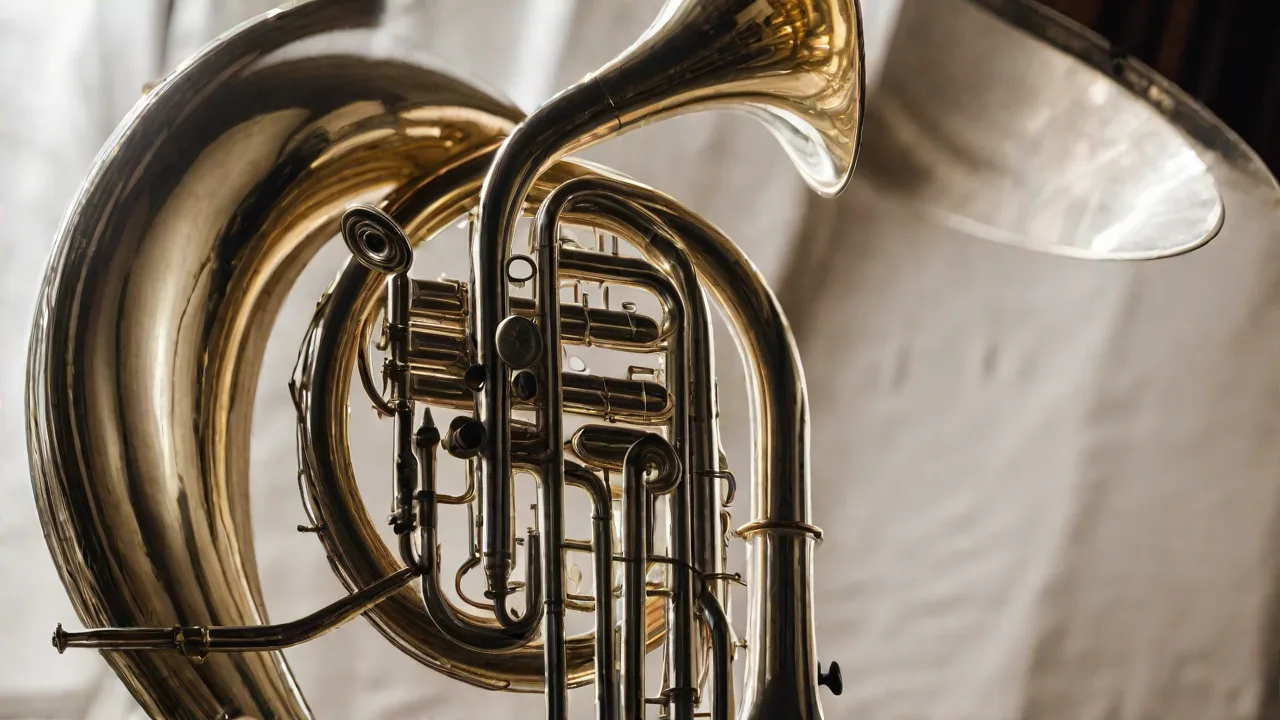
Common Tuba Playing Techniques for Advanced Musicians
Mastering the tuba requires far more than the ability to play notes accurately; advanced musicians must cultivate a comprehensive toolkit of techniques to express musicality, enhance tonal richness, and navigate increasingly demanding repertoire. Whether you are a seasoned tubist refining your craft or an aspiring professional preparing for orchestral auditions, understanding and consistently applying these advanced tuba playing techniques will elevate your performance and expand your versatility. This guide explores the essential techniques every advanced tubist should master, along with practical exercises and resources to integrate them into your daily practice.
Breath Control and Support
Effective breath control is the bedrock of all brass playing, and for the tuba it is especially critical. The instrument’s large tubing and low register demand a steady, substantial airflow to produce a full, resonant tone that projects without strain. Advanced players shift from simple inhalation to a deeply engaged support system that governs every aspect of sound production.
Diaphragmatic vs. Clavicular Breathing
Diaphragmatic breathing—using the diaphragm to draw air deep into the lungs—allows for maximum capacity and control. When you inhale, your lower ribs and abdomen should expand outward, not your shoulders. Clavicular (shallow) breathing limits air intake and leads to tension. Advanced tubists practice lying down with a book on their stomach to feel the correct expansion, then apply this standing or sitting with proper posture.
Controlled Exhalation and Support
Once the air is in, the challenge is to release it steadily. Use your abdominal muscles to support the airstream, creating a column of air that remains constant even at soft dynamics. Exercises such as hissing on a count of 10, then 20, then 30 seconds build this control. For tuba-specific work, practice long tones (whole notes at slow tempos) while focusing on a smooth, unbroken sound from start to finish. Use a tunable drone to check intonation throughout the note.
Dynamic Control and Phrasing
Advanced breath control enables dynamic shaping. Practice crescendos and decrescendos on a single pitch: begin at ppp, swell to fff over 8 beats, then return to ppp. The key is to increase or decrease airspeed without altering embouchure tension. This technique is essential for expressive phrasing in lyrical passages, such as those found in Vaughan Williams’s Tuba Concerto or the solo parts in Bruckner symphonies.
Articulation Techniques
Articulation defines how notes begin and end, giving clarity and stylistic character to your playing. Advanced tubists master a range of tonguing methods to adapt to everything from crisp orchestral attacks to smooth legato lines in chamber music.
Single Tonguing
The foundation: using the tip of the tongue to stop the airstream against the back of the upper teeth (or roof of the mouth). Practice single tonguing with a metronome at various speeds, focusing on a clean, explosive release. Ensure that the tongue returns to the “rest” position quickly to avoid interrupting airflow between notes.
Double and Triple Tonguing
For fast passages, single tonguing becomes inefficient. Double tonguing (alternating “ta-ka”) allows rapid repetition, while triple tonguing (“ta-ta-ka” or “ta-ka-ta”) suits triplet figures. Start these exercises slowly—at quarter note = 60—on a single pitch, then apply them to scales and arpeggios. A helpful resource is David Fedderly’s “Articulation Studies for Tuba” (published by Brass Wind Publications).
Legato Tonguing
Legato tonguing uses a very light touch of the tongue—almost like a “d” or “n” syllable—to connect notes without a harsh attack. Practice scales with legato tongue, ensuring that the air never stops between notes. This technique is crucial for lyrical orchestral excerpts such as the solo in Mussorgsky’s Pictures at an Exhibition (Bydlo).
Combined Articulations in Repertoire
Advanced players must fluidly switch between articulation styles within a single phrase. For example, the opening of the Hindemith Tuba Sonata mixes staccato and tenuto markings. Isolate each articulation type in your warm-up, then practice mixing them in short patterns (e.g., ta-te-da-ka rhythms).
Vibrato and Expressive Nuance
Adding vibrato and other expressive devices transforms technically correct playing into compelling musical storytelling. Tuba vibrato is typically produced through lip oscillation or gentle jaw movement, and it should be used with taste and intention.
Lip Vibrato
Lip vibrato involves rapid, small oscillations of the embouchure (often from the corners of the mouth) while maintaining a steady airstream. Practice by first producing a slow, wide vibrato on a long tone, then gradually increase speed and decrease width. Avoid letting the pitch waver too far—aim for a warm shimmer rather than a wide wobble.
Jaw Vibrato
Some players prefer jaw vibrato, where the lower jaw moves gently up and down, subtly altering the oral cavity and pitch. This method can feel more natural. Ensure that the movement is small and rhythmically consistent—use a metronome to synchronize vibrato pulses with beats (e.g., 4 pulses per quarter note at 60 bpm).
Dynamic Swells and Portamento
Expressive phrasing often requires smooth dynamic swells (crescendo-decrescendo) on a single note or across a phrase. Practice “hairpin” dynamics on scales. Portamento—sliding between notes—can be achieved by adjusting lip tension and using half-valving. Use portamento sparingly for lyrical, romantic repertoire (e.g., the lyrical sections of the Ralph Vaughan Williams Tuba Concerto).
Advanced Finger and Valve Techniques
Fast and accurate valve action is essential for executing technical passages. Advanced tubists develop finger independence and efficiency through structured exercises.
Finger Independence Drills
Use a metronome and practice scales, arpeggios, and chromatic patterns at a slow tempo (quarter note = 60) while ensuring each valve is depressed completely and released before the next. Gradually increase speed, but never sacrifice clarity. A classic book is “The Complete Tuba Method” by Wesley Jacobs, which contains progressive finger technique studies.
Alternate Fingerings
Every note on the tuba has multiple fingering possibilities. Understanding alternate fingerings helps with intonation correction, smoother slurring, and avoiding awkward valve combinations. For example, on a 4-valve tuba, 4th valve can often replace 1+3 for notes like low F or E, improving pitch and response. Create a fingering chart and practice scales using different combinations to internalize the options.
Half-Valving and Glissandi
Half-valving—depressing a valve only partway—produces a muted, airy sound often used for special effects or to facilitate smooth glissandi. Practice glissandi by starting on a given note, then slowly moving the valve(s) while adjusting lip tension to slide chromatically or diatonically. This technique appears in many contemporary works (e.g., John Stevens’s Journey).
Trills and Tremolos
Trills on tuba involve rapid alternation between two adjacent notes using a combination of valve and lip changes. Practice trills by starting slowly and gradually increasing speed. Tremolos (fast repetition of the same pitch or interval) can be executed with double/triple tonguing or rapid valve changes. Use recordings of orchestral tuba parts (e.g., Strauss tone poems) to hear how these are applied.
Extended Techniques for Modern Tuba
Contemporary composers increasingly call for extended techniques that expand the tuba’s sonic palette. Mastering these opens doors to new repertoire and improvisation opportunities.
Multiphonics
Singing while playing allows the tuba to produce two pitches simultaneously. To practice, start by humming a pitch that matches a comfortable note on the tuba (e.g., concert B-flat). Play that note, then gradually change your sung pitch to a consonant interval (unison, octave, fifth). Work on maintaining a steady tuba tone while varying the sung line. Resources: “Extended Techniques for Tuba” by Dr. Kevin Wass offers specific exercises.
Flutter Tonguing
Roll the tip of your tongue (like a rolled “r”) while blowing to create a growling effect. If you cannot roll your tongue, try throat growling (uvelar articulation). Practice flutter tonguing on long tones first, then apply to rhythmic passages. This technique is common in film scores and avant-garde works.
Stopped and Muted Effects
Using a straight mute, cup mute, or plunger mute alters the tuba’s timbre. In addition, stopping the bell with your hand (for tubas with removable bells) creates a pitch bend. Experiment with different mutes in all registers. Note that mutes affect intonation, so practice with a tuner. A classic reference is “The Trumpet Mute Handbook” by David Hickman (transferable to tuba with adjustments).
Slap Tonguing and Key Clicks
Slap tonguing involves releasing the tongue forcefully from the roof of the mouth to create a percussive attack, often used for rhythmic effects. Key clicks (valve noise) can be produced by silently depressing valves with enough force to create a click. Combine these with clean articulation for mixed percussion-and-pitch patterns.
Practice Strategies for Developing Advanced Techniques
Acquiring these techniques requires deliberate, consistent practice. Below are strategies to integrate them effectively into your routine.
- Warm-up thoroughly: Begin with breathing exercises, then long tones and lip slurs (flexibility exercises) to prepare your embouchure for the day. Use a mouthpiece buzzer to focus air control.
- Isolate techniques: Spend 10–15 minutes per day on each advanced technique (e.g., double tonguing, vibrato). Do not try to combine them until each is comfortable.
- Use a metronome: Keep rhythm strict, especially for fast articulations and fingerwork. Gradually increase tempo only when you can play the passage perfectly three times in a row.
- Record yourself: Listening back reveals intonation inconsistencies, articulation clarity, and tone quality issues. Compare your performance to a professional recording.
- Slow practice: For complex passages (e.g., rapid scales with double tonguing), slow down to half tempo. Build muscle memory before increasing speed.
- Mental practice: Away from the instrument, visualize fingerings, air stream, and tonguing patterns. This strengthens neural pathways.
- Consult repertoire: Apply techniques to actual pieces. For example, practice double tonguing using the scherzo from the Goldberg Variations arrangement, or vibrato with the second movement of the Vaughan Williams Concerto.
Sample Weekly Routine
- Monday: Long tones + lip slurs + single & double tonguing exercises
- Tuesday: Vibrato practice + finger independence drills (scales with alternate fingerings)
- Wednesday: Double/triple tonguing in scales + extended techniques (multiphonics, flutter)
- Thursday: Repertoire-focused work (apply techniques learned earlier in the week)
- Friday: Full run-through of etudes or pieces + recording review
- Weekend: Free play, sight-reading, or ensemble rehearsal
Equipment Considerations
While technique is paramount, the right equipment can facilitate progress. An advanced tubist should evaluate their mouthpiece and instrument setup.
Mouthpiece Selection
A mouthpiece that balances resistance and flexibility is crucial. Too shallow a cup may hinder low register; too deep may compromise high register. Consult with a teacher or try multiple models (e.g., Bach 18, Conn Helleberg, or custom designs) using the same horn to compare response.
Instrument Maintenance
Keep valves well-oiled and slides lubricated. Even minor leaks can affect intonation and response. Have your tuba professionally cleaned annually if played heavily. A well-maintained instrument allows you to focus on technique rather than compensating for mechanical issues.
Mutes and Accessories
If your repertoire requires mutes, invest in a quality straight mute (e.g., Humes & Berg Stonelined) and consider a practice mute for silent practice. A tuner and metronome app on your phone are essential tools.
Recommended Repertoire for Technique Development
Choosing the right etudes and solos accelerates mastery. Here are some suggestions:
- “70 Studies for Tuba” by Blazhevich / Grigoriev – excellent for articulation and finger technique
- “Tuba Concerto” by Ralph Vaughan Williams – lyrical and technical demands
- “Sonata for Tuba and Piano” by Paul Hindemith – varied articulations and expressive control
- “Caprice for Solo Tuba” by John Stevens – extended techniques and multiphonics
- “Orchestral Excerpts for Tuba” (various compilations) – real-world application of all techniques
External Resources
For further study, explore these authoritative sources:
- TubaNews – Online Journal for Tuba and Euphonium – articles on technique, equipment, and interviews with professionals.
- University of Oklahoma Tuba Studio Resources – practice guides and pedagogical materials.
- TubaForum.net – community discussions on mouthpieces, mutes, and technique.
By incorporating these advanced tuba playing techniques into your daily practice and performance preparation, you will not only improve technical proficiency but also deepen your artistic expression. The tuba’s rich, resonant voice deserves the full range of musical possibilities—and with dedicated, thoughtful practice, you can unlock its true potential.